
Titan AirCoat 423 Parts · Upper Shroud Assembly
Identify AirCoat 423 Upper Shroud Assembly Parts by Diagram Callout
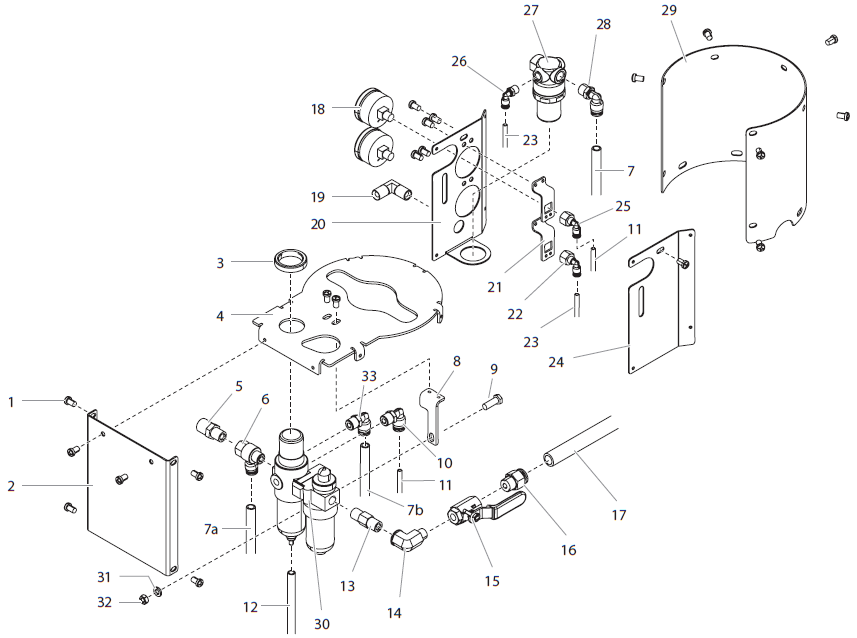
Use the Titan AirCoat 423 Upper Shroud Assembly exploded diagram to locate the front, top, left, right, and rear shrouds; air-inlet components; tubing; fittings; pressure gauges; outgoing-air regulator; brackets; ball valve; lubricator drain hose; and automatic lubricator assembly.
How the AirCoat 423 Upper Shroud Assembly Is Organized
The Titan AirCoat 423 Upper Shroud Assembly protects and organizes the pneumatic control components mounted above the motor and pump. Its molded front, top, left, right, and rear shrouds create the protective enclosure while removable screws and brackets provide service access to the tubing, regulators, gauges, valves, fittings, and air-preparation components inside.
Compressed air enters through Titan 0533469, the AirCoat 423 air-inlet fitting, and is routed through the tee, connecting tube, bracket-mounted controls, elbows, ball valve, and automatic lubricator assembly. The upper shroud also supports two Titan 0533846 pressure gauges so operators can monitor the machine’s air-control settings.
The outgoing-air side uses Titan 0533497 regulator with Titan 0533498 elbow and associated tubing and fittings. This regulated branch supplies the assist-air circuit that helps refine atomization at the spray gun. The remaining internal air routing supports the pneumatic motor and the automatic filter-lubricator-regulator system.
Titan 0533511 is the separately serviced Automatic Filter-Lubricator-Regulator Assembly for the AirCoat 423. It prepares incoming compressed air by filtering contaminants, regulating pressure, and supplying lubrication before air reaches the motor. The upper shroud diagram shows the complete assembly as one callout while its internal service parts appear on a dedicated page.
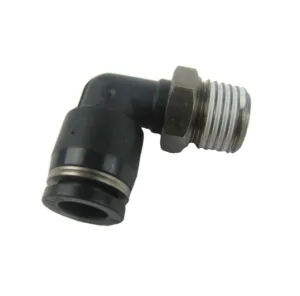
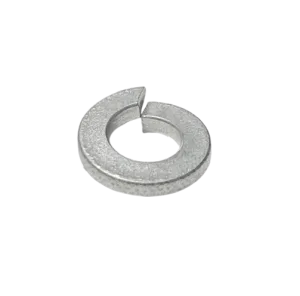
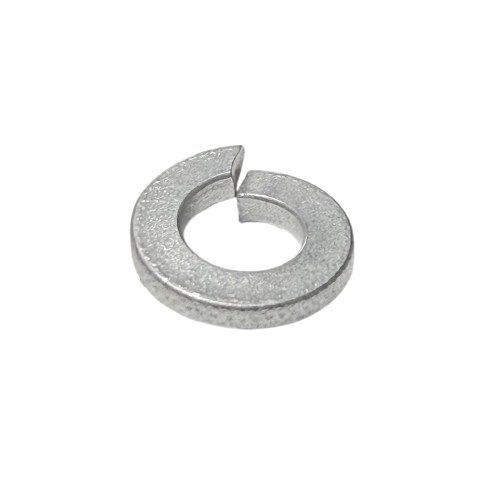
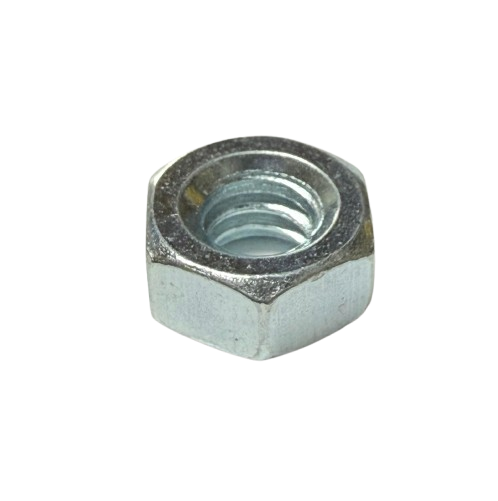
The shroud assembly also contains the lubricator drain hose, support brackets, lock washers, nuts, a connector, several 90-degree elbows, and multiple tube sections joining specific callouts. Because several tubes are defined by the components they connect, technicians should verify both endpoints before cutting, routing, or ordering replacement tubing.
Damage in this assembly can cause air leakage, inaccurate gauge readings, unstable regulation, poor lubrication, weak assist air, restricted motor supply, or inadequate component protection. Use the exploded view to separate cosmetic shroud damage from faults in the air-control and preparation systems.
Functions Supported by the Upper Shroud Assembly
- Protects air-control and air-preparation components from impact and contamination.
- Routes incoming compressed air through fittings, tubing, valves, and the lubricator assembly.
- Supports two pressure gauges for air-system monitoring.
- Regulates outgoing assist air through the dedicated air regulator.
- Provides brackets and fasteners that keep pneumatic components securely positioned.
When Technicians Use This Assembly Page
- Replacing cracked, missing, or damaged shroud panels.
- Tracing air leaks beneath the upper housing.
- Servicing gauges, tubing, elbows, fittings, brackets, or the ball valve.
- Correcting unstable outgoing assist-air regulation.
- Accessing the separate Automatic Filter-Lubricator-Regulator Assembly.
AirCoat 423 Upper Shroud Assembly Troubleshooting
Use the symptom to isolate protective-housing damage, tubing leakage, regulator faults, gauge problems, or air-preparation issues.
High-Value AirCoat 423 Upper Shroud Parts
Use these assembly and component pages to narrow the repair area before selecting smaller tubes, fittings, fasteners, or controls.
Titan 0533464 Front Shroud
Front protective housing panel for the AirCoat 423 upper assembly.
Titan 0533467 Top Shroud
Top enclosure panel that covers the central air-control components.
Titan 0533488 Left Shroud
Left-side protective panel for the AirCoat 423 upper housing.
Titan 0533494 Right Shroud
Right-side protective panel surrounding the pneumatic controls.
Titan 0533500 Rear Shroud
Rear enclosure panel for the AirCoat 423 upper shroud assembly.
Titan 0533511 Automatic Lubricator Assembly
Separately serviced filter-lubricator-regulator assembly mounted inside the upper shroud.
How to Find the Correct Upper Shroud Assembly Part
Follow this sequence to distinguish housing damage from pneumatic-control and air-preparation faults.
Identify the failed function
Separate protective-panel, air-leak, gauge, regulator, valve, tubing, and lubrication issues.
Trace the air path
Follow the tubing from the inlet fitting to the affected regulator, gauge, valve, or outlet.
Match the callout
Record the exact diagram position, Titan part number, and listed quantity.
Inspect connected parts
Check adjoining elbows, tubes, brackets, fasteners, gauges, regulators, and seals.
Maintenance Practices That Protect the Upper Shroud Assembly
- Disconnect and relieve the compressed-air supply before removing shroud panels.
- Inspect tubing for abrasion, kinks, hardening, cuts, or loose push-in connections.
- Check gauges for damage and confirm readings against actual regulator output.
- Inspect shroud screws, brackets, lock washers, nuts, rings, and panel tabs.
- Drain and service the lubricator system according to operating conditions.
- Keep air-inlet fittings, valves, regulators, and tubing clean and free from coating contamination.
Build a Complete AirCoat 423 Upper Shroud Repair Plan
For an air leak, inspect the complete branch from the inlet fitting through each tee, elbow, tube, valve, regulator, gauge, and outlet connection. Replacing one visible tube may not correct leakage at an adjoining fitting or regulator seal.
For housing repairs, inspect all panels, the retaining ring, brackets, screws, lock washers, nuts, tube routing, and component clearances. If the fault involves the internal filter-lubricator-regulator, continue to its dedicated assembly page rather than selecting internal service parts from the shroud diagram.
Continue Through the AirCoat 423 Parts Diagrams
Use these verified internal links when the required component belongs to another AirCoat 423 assembly.
Titan AirCoat 423 Upper Shroud Assembly FAQs
Use these answers to identify shroud panels, controls, tubing, gauges, and related service areas.