



Titan AirCoat 423 Parts · Fluid Pump Assembly
Identify AirCoat 423 Fluid Pump Parts by Diagram Callout
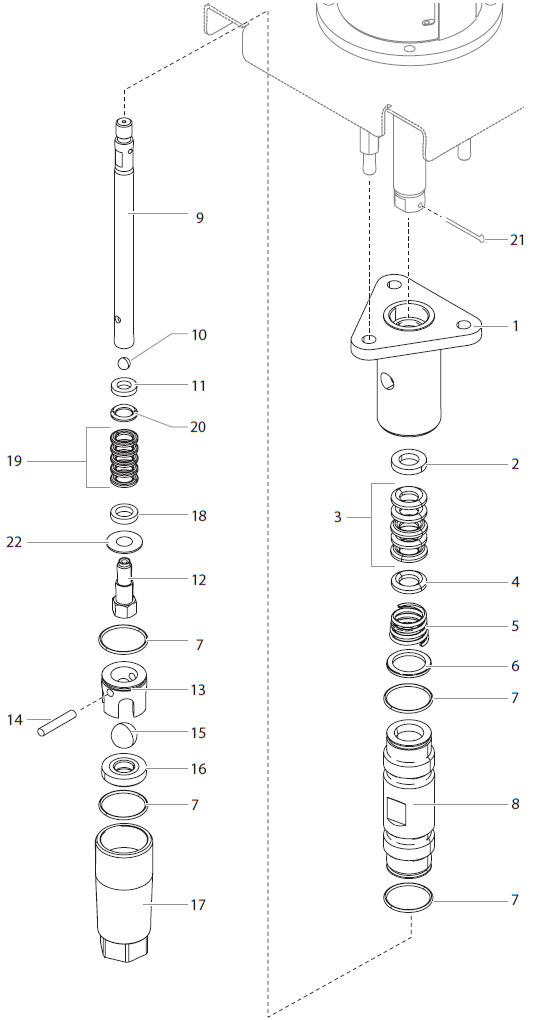
Use the Titan AirCoat 423 Fluid Pump Assembly exploded diagram to identify the pump block, upper and lower packing stacks, cylinder, piston rod, outlet and inlet valve components, foot valve housing, PTFE O-rings, coupling pin, washer, and Titan 0533926 Fluid Pump Service Kit.
How the AirCoat 423 Fluid Pump Draws and Pressurizes Coating
The Titan AirCoat 423 Fluid Pump Assembly is the stainless-steel displacement pump that draws coating from the siphon system, traps material inside its pumping chamber, and sends it under pressure toward the high-pressure filter and spray hose. The air motor drives the piston rod through Titan 0533441 coupling pin, producing alternating intake and discharge strokes.
Titan 0533401 pump block contains the upper packing system. The upper stack uses Titan 0533402 female gland, three 0533403 leather V-packings, two 0533404 PTFE V-packings, 0533405 male gland, and 0533406 upper packing spring. These components seal around Titan 0533410 piston rod while allowing controlled reciprocating movement.
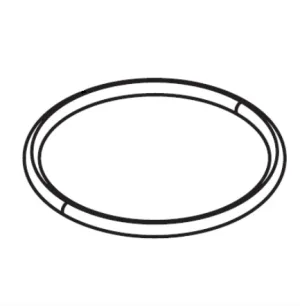
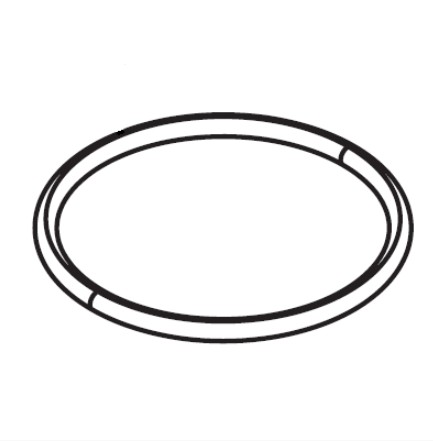
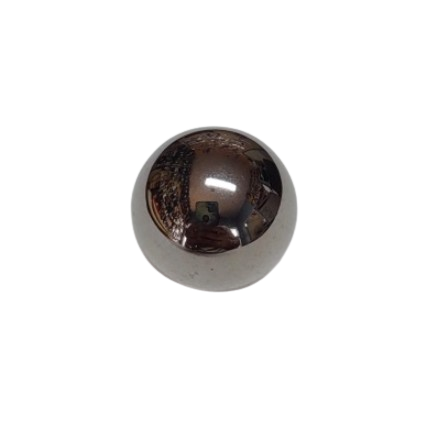
Titan 0533409 cylinder forms the pump’s working bore and is sealed at both ends by four Titan 0533408 PTFE O-rings. The piston assembly uses Titan 569-021 5/16-inch outlet ball, 0533412 retainer, 0533413 piston seat assembly, and the lower packing stack. The lower stack contains Titan 0533419 male gland, three 0533420 leather packings, two 0533421 PTFE packings, and 0533422 female gland.
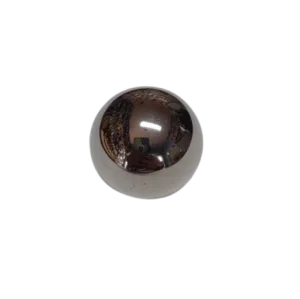
At the pump inlet, Titan 0533418 foot valve assembly contains Titan 0533414 ball cage, 0533415 ball pin, Titan 51519 three-quarter-inch inlet ball, and Titan 0533147 ball seat. This inlet valve opens during the intake stroke and closes during the pressure stroke to prevent coating from returning to the material container.
Titan 0533926 Fluid Pump Service Kit includes diagram items 2–4, 7, 10, 15, 18–21, coupling pin 21, and Loctite sealant 426-051. This covers the glands, leather and PTFE packing sets, PTFE cylinder O-rings, outlet ball, inlet ball, lower packing components, and coupling pin. The pump block, spring, cylinder, piston rod, retainer, piston seat, ball cage, ball pin, ball seat, foot valve housing, and Titan 0533598 washer are separate inspection items.
The pump requires service when coating leaks excessively from the upper packing area, pressure output declines, or the pump strokes faster in one direction. Accurate diagnosis depends on stroke direction: abnormal behavior on the upstroke typically points toward the piston valve or lower packing system, while abnormal behavior on the downstroke commonly indicates an inlet or foot-valve problem.
Functions Supported by the Fluid Pump
- Draws coating through the foot-valve and inlet-ball system.
- Seals the piston rod with leather and PTFE upper packings.
- Displaces coating through the piston and outlet-valve system.
- Maintains pressure through the lower packing stack and cylinder seals.
- Transfers air-motor movement through the coupling pin and piston rod.
When Technicians Use This Assembly Page
- Repairing coating leakage from the upper packing area.
- Correcting weak pressure or reduced material delivery.
- Diagnosing faster movement on the upstroke or downstroke.
- Replacing leather/PTFE packings, balls, seats, glands, and O-rings.
- Inspecting the cylinder, piston rod, pump block, and foot-valve housing.
AirCoat 423 Fluid Pump Troubleshooting
Confirm adequate material supply and a clear siphon screen before opening the fluid pump.
High-Value AirCoat 423 Fluid Pump Parts
These components are listed on the AirCoat 423 fluid-pump page. Verify current availability on each destination page.
Titan 0533926 Fluid Pump Service Kit
Rebuild kit containing the listed packing, gland, ball, O-ring, pin, and Loctite components.
Titan 0533401 Pump Block
Upper pump body housing the spring and upper packing stack.
Titan 0533409 Cylinder
Stainless-steel working cylinder containing the piston rod and lower packing system.
Titan 0533410 Piston Rod
Chrome displacement rod driven by the AirCoat 423 air motor.
Titan 0533418 Foot Valve Assembly
Inlet housing containing the cage, pin, inlet ball, ball seat, and PTFE seal.
Titan 51519 Inlet Ball
Three-quarter-inch inlet valve ball used in the AirCoat 423 foot-valve assembly.
How to Find the Correct Fluid Pump Part
Follow this sequence before ordering a kit or individual hard parts.
Identify the symptom
Separate leakage, weak output, priming failure, and directional stroke problems.
Locate the valve system
Determine whether the issue belongs to the piston valve or foot valve.
Check kit coverage
Confirm whether Titan 0533926 contains each required wear component.
Inspect hard parts
Check the rod, cylinder, block, spring, seats, cage, pin, housing, and washer.
Maintenance Practices That Protect the Fluid Pump
- Relieve fluid and air pressure before disconnecting or opening the pump.
- Use Titan Piston Lube 314-480 at the upper packing area.
- Do not substitute ordinary oil, water, or solvent for packing lubricant.
- Keep the siphon tube and inlet screen clean to prevent cavitation.
- Inspect piston-rod and cylinder chrome for grooves, dents, or wear.
- Soak leather packings in hydraulic oil before assembly and lubricate O-rings.
Build a Complete AirCoat 423 Fluid Pump Repair Plan
For a full repack, use every applicable component supplied in Titan 0533926 and inspect all reusable hard parts. A new packing set cannot compensate for a scored piston rod, damaged cylinder bore, cracked seat, worn ball cage, or deformed pump block.
Inspect the connected siphon system, coupling pin, high-pressure filter, pulsation dampener, and downstream regulator during the same repair. Restricted intake or discharge components can imitate an internal pump fault and lead to unnecessary rebuilding.
Continue Through the AirCoat 423 Parts Diagrams
Use these verified internal routes when the fault belongs to another assembly.
Titan AirCoat 423 Fluid Pump Assembly FAQs
Use these answers to identify kit coverage, valve components, and diagnostic priorities.