



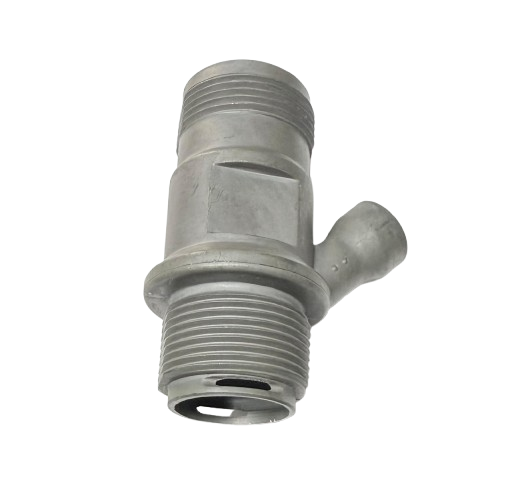

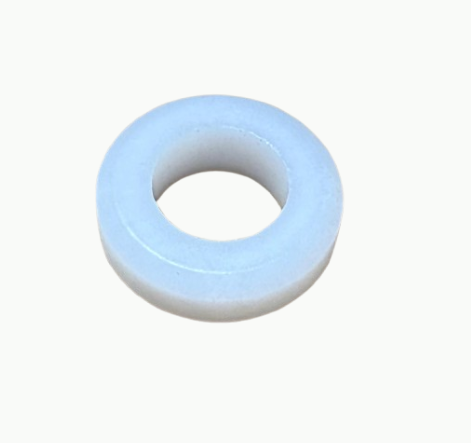
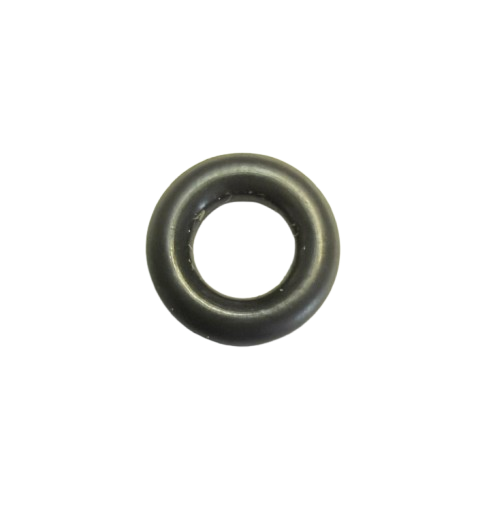

PowrLiner 3500/3500s Inlet Valve Body Assembly Parts
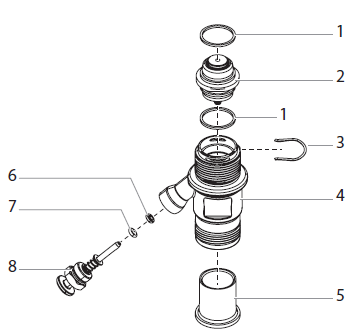
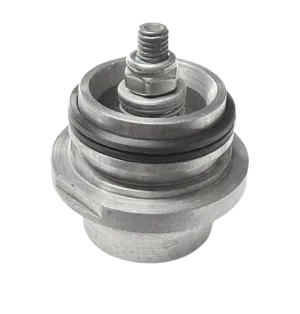
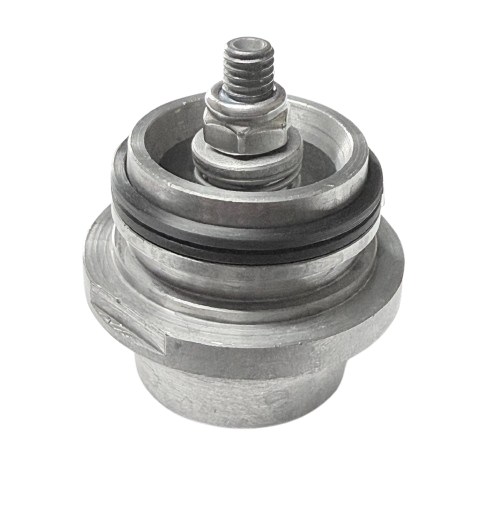
The Inlet Valve Body Assembly is a vital part of the fluid intake system on Titan PowrLiner 3500 and 3500s line striping machines. This assembly controls how paint enters the pump, helping maintain steady pressure and smooth material flow during operation. When inlet valve components become worn or damaged, you may notice issues such as pressure fluctuations, poor prime retention, or inconsistent spray output.
Designed specifically for PowrLiner 3500/3500s models, these OEM replacement parts restore proper sealing and performance inside the inlet valve body. Replacing worn seals and retainers helps prevent leaks, improves suction efficiency, and extends the overall life of your pump—keeping your striping jobs on schedule and your equipment running reliably.
Key Inlet Valve Body Components
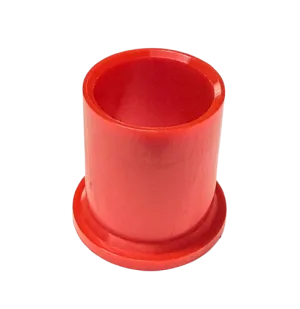
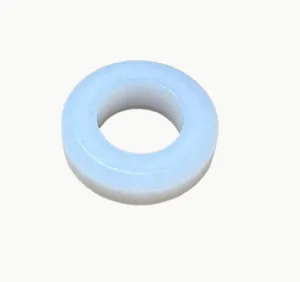
- Titan 341316 Wiper – Helps keep paint and debris away from critical sealing areas, improving internal cleanliness and performance.
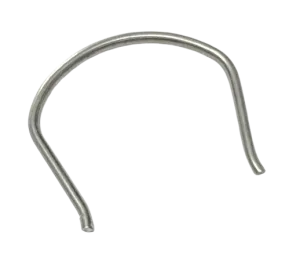
- Titan 341336 Clip – Secures internal inlet valve components in place to maintain proper alignment during operation.
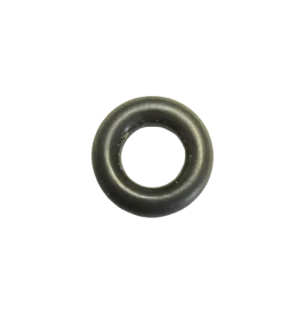
- Titan 9971486 O-Ring – Provides a tight seal within the inlet valve body to prevent leaks and loss of suction.
FAQs
1. What does the inlet valve body assembly do on the PowrLiner 3500/3500s?
The inlet valve body assembly controls how paint flows into the pump. It ensures proper sealing and smooth intake of material, which is essential for consistent pressure and spray performance.
2. Why is the Titan 9971486 O-ring important?
The O-ring creates a leak-free seal inside the inlet valve body. If it becomes worn or damaged, air or paint leaks can occur, leading to poor suction and uneven spraying.
3. What role does the Titan 341316 wiper play?
The wiper helps keep paint residue and debris away from sensitive sealing surfaces. This reduces wear on internal components and helps the inlet valve operate smoothly.
4. When should the inlet valve body components be replaced?
These parts should be replaced if you experience difficulty priming, pressure loss, paint leakage near the inlet, or inconsistent spray patterns. Routine replacement during pump maintenance is also recommended.