

Please wait while we process your order...

Product successfully added to your cart.
Placeholder Image

Quantity in Cart: 1


Continue Shopping Shopping Cart
Item removed from Cart
X
 
×
📢 From June 8th to 25th, phone support will be limited. For assistance, please email us and we will respond as promptly as possible. Orders will continue to be processed normally.

PowrTwin 8900GH Bleed Valve Assembly Parts

PowrTwin 8900GH Bleed Valve Assembly Parts

PowrTwin 8900GH Bleed Valve Assembly Parts

The PowrTwin 8900GH Bleed Valve Assembly Parts are designed to regulate system pressure, assist with priming, and safely release excess fluid back into the supply container. This assembly is a critical control point in the sprayer system, helping maintain stable pressure during operation and preventing pump overload. It also ensures smooth startup by removing trapped air from the fluid circuit, improving overall spray consistency and efficiency.

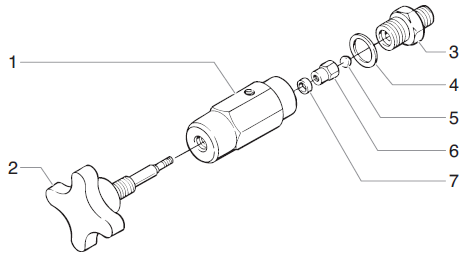
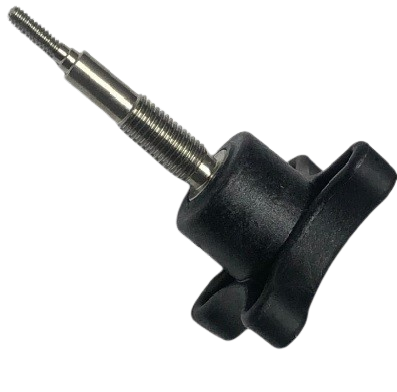
This assembly typically includes components such as the valve housing, knob assembly, tungsten carbide valve seat, tungsten carbide ball, PTFE O-ring, copper gasket, and valve stem stop. Each part works together to control fluid direction between prime and spray modes while maintaining a tight seal under high pressure. The tungsten carbide sealing elements are designed for long service life and consistent performance under heavy-duty use.

Regular inspection of PowrTwin 8900GH Bleed Valve Assembly Parts helps prevent pressure instability, internal leakage, and priming difficulties. Cleaning internal valve components and replacing worn seals or balls when leakage occurs ensures smooth operation, reliable pressure control, and reduced downtime.

FAQs

This is commonly caused by a worn tungsten carbide ball or damaged tungsten valve seat that prevents a complete seal. Replacing both components together during servicing ensures the sealing surfaces mate correctly and restores full pressure retention in spray mode.

Sticking is often due to dried coating material buildup inside the valve housing or corrosion on internal moving parts. Thoroughly cleaning the valve housing and inspecting the valve stem stop and knob assembly for damage or buildup helps restore smooth valve movement between positions.

Leakage typically results from a damaged PTFE O-ring or copper gasket that can no longer maintain a proper high-pressure seal. Both the O-ring and copper gasket should be replaced simultaneously, as they work together to seal the valve housing connections under operating pressure.

Pressure fluctuations are usually caused by air entering the system or incomplete seating of the tungsten carbide ball against the valve seat. Checking the PTFE O-ring and copper gasket for deformation also helps rule out external air infiltration as a cause of erratic pressure.

Frequent adjustment is often a sign of worn internal valve components that can no longer maintain stable flow control under continuous pressure. Replacing the tungsten valve seat, tungsten carbide ball, and valve stem stop as a set restores precise valve control and reduces the need for repeated field adjustments.