
PowrTwin 3500 50th Ann Bleed Valve Assembly Parts
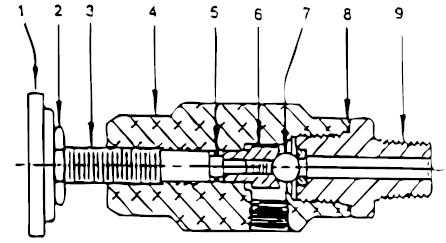
The PowrTwin 3500 50th Ann Bleed Valve Assembly Parts are engineered to safely relieve system pressure and control fluid circulation during priming, spraying, and maintenance operations. This assembly serves as a critical safety component by allowing operators to redirect fluid flow and depressurize the system when necessary. Proper valve operation helps protect internal pump components and ensures smooth transitions between spraying and pressure-release modes.
This assembly typically includes the bleed valve body, foot valve assembly, foot valve ball, valve seat, seals, O-rings, spring components, retaining hardware, and fluid connection fittings. These parts work together to regulate fluid movement while maintaining a secure seal under high-pressure conditions. Reliable valve performance is essential for efficient priming, safe shutdown procedures, and consistent sprayer operation.
Routine inspection of PowrTwin 3500 50th Ann Bleed Valve Assembly Parts helps prevent pressure control issues, fluid bypass problems, and premature wear of surrounding system components. Replacing worn seals, damaged valve seats, or sticking valve parts can improve system reliability, reduce downtime, and maintain safe operating conditions.