
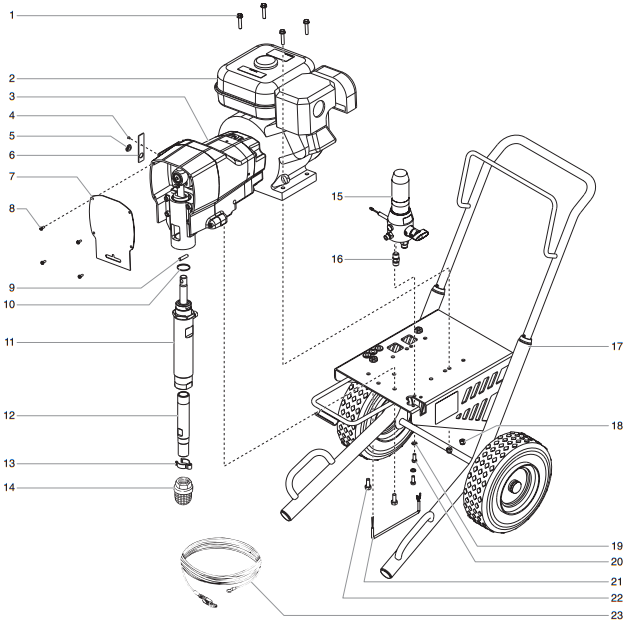
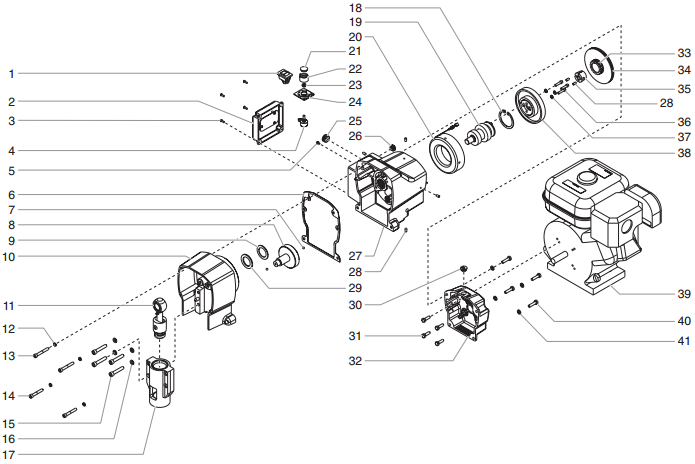
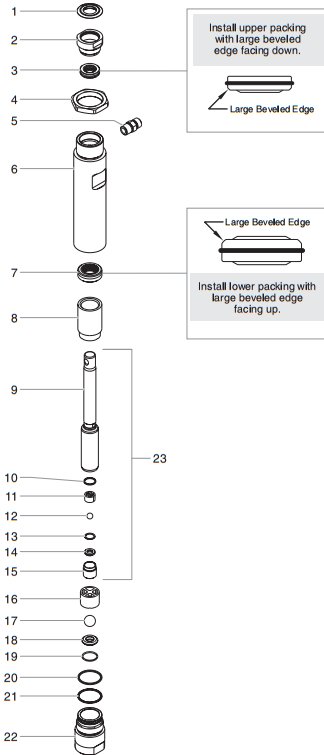
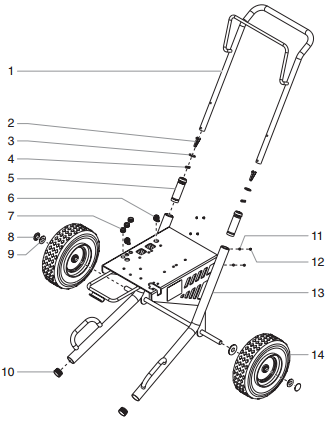
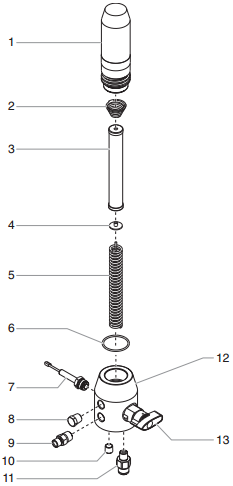
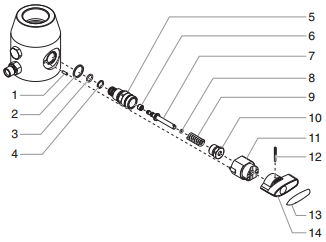
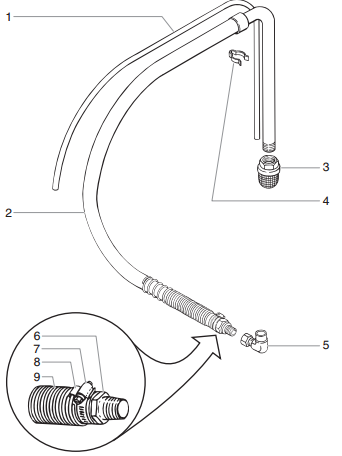
GPX 130 Gas Piston Pump Parts & Replacement Components
The GPX 130 Gas Piston Pump is a high-performance, contractor-grade airless sprayer designed for professionals who need dependable power on any jobsite. Built with a durable gas-powered engine and a precision piston pump system, it delivers consistent pressure, smooth spray patterns, and reliable output even under demanding workloads.
Whether you’re spraying interior walls, exterior facades, fences, or protective coatings, the GPX 130 is engineered to handle medium to heavy-duty projects with ease. Its modular assembly layout—including the main assembly, drive assembly, fluid section, filter assembly, prime/spray valve, and siphon set—ensures easy servicing, quick replacement of parts, and minimal downtime.
Key Features
Powerful Gas-Driven Performance
Delivers strong, uninterrupted spraying power for projects where electric access is limited or unavailable.
Heavy-Duty Piston Pump System
Provides consistent pressure for a smooth, professional spray finish across various coating types.
Easy-Service Modular Design
Features separate assemblies (main, drive, fluid section, filter, prime/spray valve, siphon set) that allow quick replacement, maintenance, and troubleshooting.
Durable Construction
Built for tough jobsite conditions with long-life packings, rugged housings, and reinforced components.
Versatile Coating Compatibility
Handles latex paints, primers, sealers, acrylics, stains, and other standard architectural coatings.
Applications
The GPX 130 Gas Piston Pump is ideal for professional contractors working on:
- Residential and commercial painting
- Exterior walls, fences, siding, and decks
- New construction and renovation projects
- Medium to large surface areas requiring consistent coverage
- Jobsites without reliable electrical power
- Spraying primers, latex paints, acrylic coatings, and similar materials
Its portability and gas-powered performance make it especially suitable for remote or outdoor projects.
FAQ’s
1. How often does the GPX 130 piston pump need servicing?
The piston pump should be serviced every few months, depending on usage. If the sprayer begins to lose pressure, produces an inconsistent spray pattern, or shows signs of leakage around the pump area, it usually indicates worn packings or valves that need replacement.
2. What maintenance should be done after each job?
After every use, the sprayer should be flushed thoroughly with the appropriate cleaning solution based on the material sprayed. The filters need to be cleaned, the siphon set checked for debris or stiffness, and the pump lubricated to keep internal components running smoothly.
3. When should the prime/spray valve be replaced?
The prime/spray valve typically requires replacement when priming becomes difficult, the spray fluctuates between modes unexpectedly, or the valve no longer seals properly. A worn valve affects both priming efficiency and spray consistency, so timely replacement is crucial.
4. What signs show that the filter assembly needs attention?
If the sprayer starts to pulsate, loses pressure, or clogs frequently, it’s often due to a dirty or damaged filter assembly. Cleaning the filter screen may solve the issue, but a severely worn or torn filter should be replaced to protect the pump.
5. How can I tell when the siphon hose or siphon set needs replacement?
The siphon hose should be replaced if it becomes brittle, cracked, clogged, or fails to draw material properly during priming. A weak or collapsing hose affects material flow and can lead to poor spray performance if not replaced promptly.