Please wait while we process your order...

Product successfully added to your cart.
Placeholder Image

Quantity in Cart: 1


Continue Shopping Shopping Cart
Item removed from Cart
X
 
×
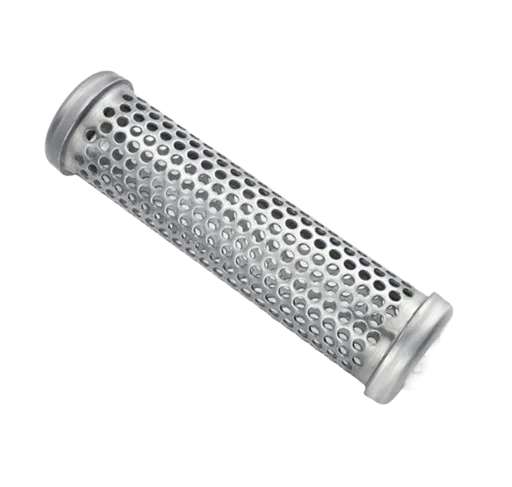
Titan 920-001 Screen Heavy Material 5 Mesh

Titan 920-001 Screen Heavy Material 5 Mesh

Sourced From:
Titan Tools Inc.

Part 920-001 is a heavy material screen with 5 mesh filtration designed for use in spray equipment handling viscous coatings. This screen captures larger particles and contaminants that could clog spray tips or damage internal pump components, providing essential filtration for heavy-bodied materials such as block fillers, elastomerics, high-build coatings, and textured finishes.

Part Number 920-001
Part Description Screen Heavy Material 5 Mesh
Brand Spray equipment
Fits PowrTwin 3500; Hydra M and Hydra Pro 2000_4000; Hydra M and Hydra Pro Super; Epic 1200 HPG; Commander; Airless Sprayer 1200 GXC; Admiral; 0528925N_2000_4000; 1100 XC Airless Sprayer
Condition New

Retail Price: $35.3
You save: $1.94 (5.50%)
Our Price: $33.36

Heavy Material Screen 5 Mesh for Viscous Coating Applications

The 920-001 heavy material screen with 5 mesh filtration is a specialized filter component designed for spray equipment handling viscous and high-build coatings that require larger passage openings than standard filtration. The 5 mesh rating refers to the screen's open area, with approximately five strands per inch, creating openings that allow heavy-bodied materials to flow freely while capturing larger contaminants that could cause tip clogging or pump damage. This screen is essential when working with materials such as block fillers, elastomeric coatings, high-build acrylics, textured finishes, mastics, and other viscous formulations that would quickly clog finer mesh screens. The screen installs at the pump inlet or within the fluid delivery path, providing the first line of defense against debris introduced during material mixing, container contamination, or environmental exposure. Heavy materials often contain aggregates, fibers, or fillers that are intentionally part of the coating formulation, and a 5 mesh screen balances the need to protect equipment with the requirement to pass these functional components. Using a screen with too fine a mesh for heavy materials results in constant clogging, reduced flow rates, and premature tip wear, while operating without proper filtration risks damage to pump valves, cylinder walls, and spray tips from abrasive particles. The 920-001 screen is constructed from durable corrosion-resistant materials capable of withstanding the chemical and physical demands of heavy coating applications. Regular inspection and cleaning of the screen during material changes or when flow reduction is observed helps maintain consistent spray performance and extends the service life of downstream components.

Application Note: The 5 mesh screen is specifically intended for heavy-bodied materials. Using this screen with standard paints or thin coatings may allow particles to pass that could cause tip clogging. Match screen mesh to material viscosity and particle content for optimal performance.

What it does and when to replace it

What the heavy material screen does
Large particle filtration Captures debris and contaminants while allowing heavy-bodied materials to flow freely
Equipment protection Prevents abrasive particles from damaging pump valves, cylinders, and spray tips
Flow maintenance Balances filtration with flow requirements for viscous and textured coatings
When replacement is recommended
Clogged or restricted flow Reduced material output despite clean tip and proper pump operation
Visible screen damage Tears, punctures, or deformation that compromises filtration effectiveness
Material contamination Dried material buildup that cannot be removed through cleaning
Corrosion or deterioration Rust, chemical degradation, or structural weakening of screen material

Compatibility

Part 920-001 heavy material screen with 5 mesh filtration is compatible with the following spray equipment models. Always verify fitment using the correct parts diagram for your exact machine revision.

Equipment Model Component
PowrTwin 3500 Heavy material screen 5 mesh
Hydra M and Hydra Pro 2000_4000 Heavy material screen 5 mesh
Hydra M and Hydra Pro Super Heavy material screen 5 mesh
Epic 1200 HPG Heavy material screen 5 mesh
Commander Heavy material screen 5 mesh
Airless Sprayer 1200 GXC Heavy material screen 5 mesh
Admiral Heavy material screen 5 mesh
0528925N_2000_4000 Heavy material screen 5 mesh
1100 XC Airless Sprayer Heavy material screen 5 mesh

Related components commonly serviced together

When servicing the filtration system for heavy materials, these related components are often inspected or replaced to ensure complete system protection.

Gun filter or tip screen

Secondary filtration at the spray gun provides additional protection against particles that pass the main screen.

Pump inlet strainer

Pre-filtration at the material pickup point captures large debris before it enters the fluid delivery system.

Spray tip

Tips used with heavy materials should be inspected for wear and clogging when screen maintenance is performed.

Frequently Asked Questions

A 5 mesh screen is designed for heavy-bodied and high-build materials including block fillers, elastomeric coatings, high-build acrylics, textured finishes, mastics, and other viscous formulations that contain aggregates or fibers. These materials would quickly clog finer mesh screens while the 5 mesh allows the functional components to pass while capturing larger contaminants that could damage equipment.

Mesh rating refers to the number of openings per linear inch. A 5 mesh screen has approximately five openings per inch, creating relatively large passages compared to standard screens such as 16 mesh, 30 mesh, or 60 mesh which are used for thinner paints and stains. The larger openings of a 5 mesh screen allow heavy materials with larger particles or fibers to flow freely while still providing essential filtration.

The screen can be cleaned between material changes or when flow reduction is observed. Cleaning involves removing the screen, flushing with appropriate solvent, and using a soft brush to remove debris without damaging the mesh. However, if the screen shows signs of tearing, punctures, corrosion, or deformation, replacement is recommended to ensure continued filtration effectiveness.

Using a screen with mesh that is too fine for heavy materials will result in frequent clogging, reduced flow rates, increased pump cycling, and premature tip wear as the screen captures functional components of the coating. Using a screen with mesh that is too coarse may allow damaging particles to reach pump valves and spray tips, potentially causing scoring, premature wear, or tip clogging. Matching screen mesh to material viscosity is essential for optimal performance.