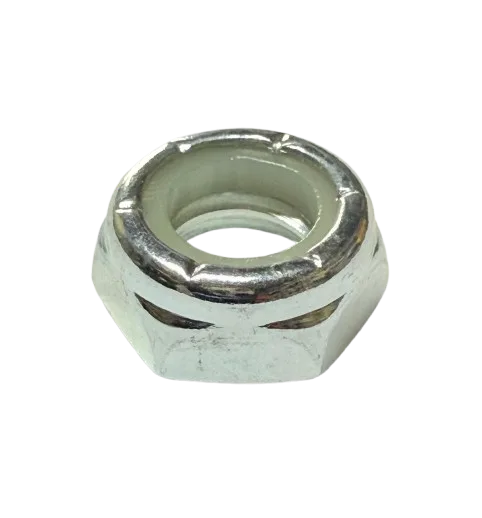
Titan 759-456 Locknut
OEM Titan Fastening Component
Titan 759-456 Locknut is an OEM thin nylon-insert locknut used to secure pump mount components, drum covers, and critical fastening points on compatible Admiral, Commander, PowrTwin, PowrLiner, and Hydra M spray systems.
Compatibility Table
Precision nylon-insert locknut with corrosion-resistant finish resists vibration loosening and maintains consistent clamping pressure.
Titan Fastening Component Replacement
Titan 759-456 Locknut for Spray System Service
Titan 759-456 is an OEM thin nylon-insert locknut (3/8-16) designed to secure pump mount components, drum covers, and critical fastening points on compatible Admiral, Commander, PowrTwin, PowrLiner, and Hydra M spray systems. This vibration-resistant locknut ensures reliable equipment operation.
| Detail | Technical / Commercial Information |
|---|---|
| Product Overview | OEM Titan thin nylon-insert locknut that provides vibration-resistant fastening for pump mount drum covers, structural brackets, and critical components on compatible spray systems. |
| Function | Secures critical components while resisting loosening from machine vibration. The nylon insert creates a locking action that maintains clamping force without requiring additional locking devices. The thin profile allows use in applications with limited clearance. Manufactured with a corrosion-resistant finish for professional spray environments. |
| Industrial Applications | Professional sprayer repair, pump mount maintenance, drum cover service, and rental fleet equipment servicing. |
| Compatible Titan Models | Admiral Air Powered Airless Sprayer; Commander Pump Mount Drum Cover; PowrTwin 12000GH, 12000GHD, 3500, 3500-DC, 4500, 4900GH, 5500, 6900GH, 6900XLT, 8900GH; PowrLiner 4000, 4900, 5000, 550, 6000, 6900XLT, 850, 8900, PL550, PL850; PowrTex 6900SF-12000SV; Hydra M2000, M4000. |
| Accurate Part Number | 759-456 Locknut, Thin, 3/8-16 Nylon. |
| Common Problems Solved | Stripped threads preventing secure fastening, missing nuts lost during disassembly or operation, loosening connections causing vibration and misalignment, and worn nylon inserts failing to provide locking action. |
| When Replacement Is Recommended | Replace if the nut will not tighten properly or spins freely due to stripped threads, if the fastener is missing after disassembly or operation, if there is visible corrosion, or if the nylon insert is worn and no longer provides locking action. For critical applications, always install a new nylon-insert locknut to ensure reliable vibration resistance. |
| Service Guidance | Use the correct socket size to prevent head damage. Replace fasteners that show signs of wear, corrosion, or thread damage. When servicing any component, use new genuine locknuts to ensure reliable reassembly and to prevent future failures due to loosening. |
| OEM & Brand Information | Genuine Titan OEM component designed for correct fitment in compatible spray systems. |
| Commercial Benefits | Restores secure fastening, prevents loosening under vibration, maintains structural integrity, ensures proper component alignment, and extends equipment service life. |
The 759-456 Locknut is a practical replacement for contractors who need secure fastening and reliable equipment operation. Nylon-insert locknuts are subject to wear from vibration, chemical exposure, and repeated service. A damaged, corroded, or missing locknut can allow critical components to loosen, shift, or separate during operation, leading to misalignment, increased vibration, accelerated wear, and potential safety hazards. If you observe a missing nut, or if a nut does not tighten properly or shows signs of thread damage, corrosion, or a worn nylon insert, replace it with this genuine part to ensure proper clamping force and maintain the structural integrity of the system. The nylon insert provides consistent locking torque even under vibration, making this fastener ideal for demanding spray applications.
FAQ Section
Quick contractor-focused answers for confirming fitment, function, and service value.
No reviews yet. Be the first to review this product!