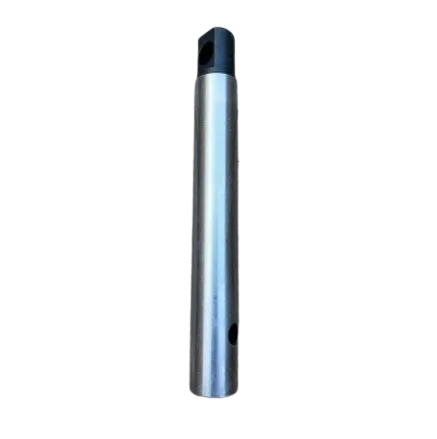
Titan 143-127 Piston Rod
143-127 is a replacement piston rod used in the pump fluid section of compatible PowrLiner and PowrTwin airless sprayers. It connects the drive system to the piston, converting rotary motion into reciprocating action to pressurize and pump paint.
| Part Number | 143-127 |
|---|---|
| Part Description | Piston Rod |
| Brand | PowrLiner / PowrTwin |
| Fits | PowrLiner 4955, 6955, 8955, 4950, 6950; PowrTwin 4900, 6900, 8900, 12000 Plus |
| Condition | New |
Piston Rod for PowrLiner & PowrTwin Airless Sprayers
The 143-127 Piston Rod is an OEM replacement component for the fluid pump section of compatible PowrLiner and PowrTwin airless sprayers. The piston rod connects the drive (gear box or connecting rod) to the piston that reciprocates inside the cylinder. It transfers mechanical force to draw paint in through the inlet valve and push it out through the outlet valve at high pressure.
Over time, the piston rod can become bent, scored, corroded, or worn at the bearing surfaces. A damaged rod causes poor piston alignment, accelerated packing wear, loss of pressure, erratic spray, and potential pump seizure. Replacing a worn or damaged rod with the 143‑127 restores proper pump geometry and reliable performance.
What it does and when to replace it
| Force transmission | Converts drive rotation into reciprocating piston motion |
|---|---|
| Piston alignment | Keeps piston centered in the cylinder for even packing wear |
| Load bearing | Withstands axial and side loads during pump operation |
| Bent or bowed | Rod no longer straight; visible runout when rolled |
|---|---|
| Scored / grooved surface | Deep scratches that damage packings and seals |
| Corrosion or pitting | Rust or chemical attack that weakens the rod |
| Worn bearing journal | Reduced diameter at the connecting rod interface |
Compatibility
Part 143-127 is compatible with the following PowrLiner and PowrTwin models. Always verify with your machine's parts diagram before ordering.
| Brand / Model | Component |
|---|---|
| PowrLiner 4955 | Piston rod for fluid pump |
| PowrLiner 6955 | Piston rod for fluid pump |
| PowrLiner 8955 | Piston rod for fluid pump |
| PowrLiner 4950 | Piston rod for fluid pump |
| PowrLiner 6950 | Piston rod for fluid pump |
| PowrTwin 4900 | Piston rod for fluid pump |
| PowrTwin 6900 | Piston rod for fluid pump |
| PowrTwin 8900 | Piston rod for fluid pump |
| PowrTwin 12000 Plus | Piston rod for fluid pump |
Related parts commonly serviced together
When replacing the piston rod, these related components are typically inspected or replaced at the same time.
New packings are essential when installing a new rod to prevent leaks.
Inspect the connecting rod bearing and pin for wear.
Check bore for scoring; replace or hone if necessary.
Frequently Asked Questions
No reviews yet. Be the first to review this product!