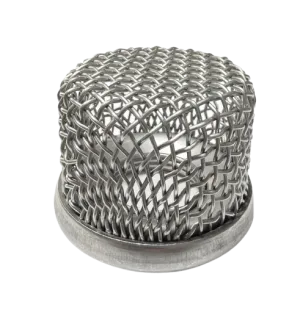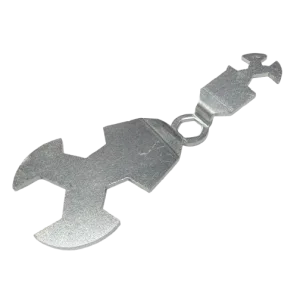

Titan 103-814 Syphon Hose assy
103-814 is a syphon hose assembly used to draw fluid from a container to the pump inlet on compatible equipment. This assembly includes the hose and necessary fittings to ensure consistent fluid pickup during operation. Replacing worn or damaged syphon hoses restores proper fluid delivery and helps prevent cavitation or interrupted spray patterns.
| Part Number | 103-814 |
|---|---|
| Part Description | Syphon Hose Assembly |
| Brand | SprayTech |
| Fits | Hydra M; Hydra Pro 2000/4000; Hydra M and Hydra Pro Super; 0528925N 2000/4000 |
| Condition | New |
Syphon Hose Assembly for Hydra M, Hydra Pro 2000/4000, Hydra M and Hydra Pro Super, and 0528925N 2000/4000
The 103-814 syphon hose assembly is a replacement component designed to transfer fluid from the supply container to the pump inlet on compatible spray equipment. This complete assembly includes the flexible hose and integrated fittings required for proper installation, ensuring a reliable fluid path from the container to the pump. The syphon hose serves as the primary conduit through which coating materials, paints, or other fluids are drawn into the system for application. When the pump operates, it creates suction that pulls fluid through this hose, making its condition critical to consistent performance and spray quality.
Several factors contribute to syphon hose degradation over time. Exposure to various coating materials, solvents, and cleaning agents can cause the hose material to harden, crack, or become brittle. Repeated bending and flexing during equipment setup and storage may lead to kinks or fatigue at connection points. Chemical residues can accumulate inside the hose, restricting flow and reducing pickup efficiency. A compromised syphon hose often produces noticeable symptoms during operation. The spray pattern may become inconsistent or sputter as the pump struggles to draw sufficient fluid. Cavitation, characterized by a rattling or surging sound from the pump, indicates inadequate fluid supply and can lead to premature pump wear. In severe cases, a cracked or split hose will draw air into the system, causing complete loss of prime and requiring immediate attention.
Replacing a worn syphon hose assembly restores proper fluid flow characteristics and helps maintain consistent spray performance. The assembly is designed to match original equipment specifications, ensuring correct length, diameter, and fitting compatibility for the listed models. When installing a new syphon hose, inspect the pickup strainer or filter at the hose inlet, as debris accumulation can also contribute to flow restriction. Additionally, verify that the hose is positioned to reach the bottom of the fluid container without excessive bending that could create flow restrictions. Proper installation ensures that the pump receives an uninterrupted supply of material, supporting consistent pressure delivery and a uniform spray pattern throughout the application.
What it does and when to replace it
| Fluid pickup | Draws coating material from the container to the pump inlet |
|---|---|
| Flow consistency | Maintains uninterrupted fluid supply for steady spray output |
| Prime retention | Helps the pump maintain prime by preventing air entry through cracks or loose connections |
| Cracks or splits | Visible damage that allows air entry or fluid leakage |
|---|---|
| Hardening or brittleness | Hose material has stiffened and no longer flexes properly |
| Kinks or permanent bends | Restrictions that impede fluid flow and cause cavitation |
| Difficulty priming | Pump struggles to draw fluid or loses prime during operation |
Compatibility
Part 103-814 is compatible with the following equipment models. Always confirm fitment using the correct parts diagram for your exact model and revision.
| Model | Component |
|---|---|
| Hydra M | Syphon hose assembly |
| Hydra Pro 2000/4000 | Syphon hose assembly |
| Hydra M and Hydra Pro Super | Syphon hose assembly |
| 0528925N 2000/4000 | Syphon hose assembly |
Related parts commonly serviced together
Fluid delivery issues often involve multiple components. When replacing the syphon hose, these parts are commonly inspected at the same time.
Debris accumulation at the hose inlet restricts flow and can cause cavitation or priming failure.
Damaged or loose connections at the pump inlet can introduce air leaks that break prime.
Worn inlet valves may contribute to poor suction and should be evaluated if flow problems persist.
Frequently Asked Questions
No reviews yet. Be the first to review this product!