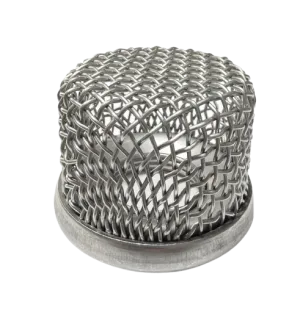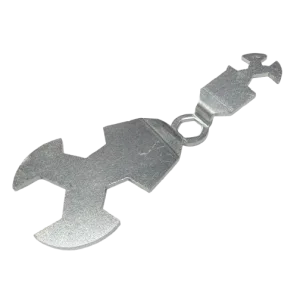

Titan 103-130 Spring Guard
OEM Titan Protective Component
Titan 103-130 Spring Guard is an OEM protective component designed to shield the tension spring assembly from debris, overspray, and physical damage on Commander, PowrTwin, and Admiral air-powered airless spray systems.
Compatibility Table
OEM spring guard restores proper spring protection, prevents debris-related binding, and maintains safe machine operation on Commander and compatible spray systems .
Titan Protective Component Replacement
Titan 103-130 Spring Guard for Commander, PowrTwin & Admiral Sprayers
Titan 103-130 is an OEM protective spring guard designed to shield the tension spring assembly on compatible Commander, PowrTwin, and Admiral air-powered airless spray systems. This guard helps prevent debris accumulation, contains the spring in the event of failure, and provides a physical barrier against accidental impacts.
| Detail | Technical / Commercial Information |
|---|---|
| Product Overview | OEM Titan spring guard designed to protect the tension spring assembly from debris, paint overspray, and physical damage on compatible PowrTwin, Commander, and Admiral striping and spraying equipment |
| Function | Serves multiple critical functions: prevents debris and overspray from accumulating on the tension spring, contains the spring in the event of failure to reduce projectile hazards, and provides a physical barrier that protects the spring from accidental impacts during operation or transport |
| Industrial Applications | Line striping, professional painting, pavement marking, and any application where equipment operates near debris, curbs, or unpaved surfaces |
| Compatible Titan Machines | Commander Air-Powered Airless Sprayer ; PowrTwin 3500 ; Admiral Series |
| Accurate Part Number | 103-130 Spring Guard |
| Compatible Parts & Assemblies | Tension spring assembly, carriage assembly, guide components, mounting hardware |
| Related Parts Commonly Serviced Together | Tension spring, mounting hardware, guide or carriage assembly components |
| Common Problems Solved | Debris and overspray accumulation causing spring binding, reduced spring travel, inconsistent tension, cracked or broken guard exposing the spring, missing guard leaving the spring vulnerable, loose mounting causing movement during operation |
| Use with Coating Systems | Supports line striping paints, road marking coatings, and other materials where debris protection is essential |
| OEM & Brand Information | Genuine Titan OEM component designed for correct fitment in compatible Commander, PowrTwin, and Admiral systems |
| Commercial Benefits | Restores proper spring protection, prevents debris-related binding, maintains consistent machine performance, reduces downtime, and enhances operator safety by containing the spring in the event of failure |
The 103-130 Spring Guard is a practical replacement for contractors who need reliable spring protection in Commander and compatible spray systems. Over time, the spring guard can become damaged due to impacts with curbs, debris strikes, or general wear from job site conditions. A cracked or missing spring guard exposes the tension spring to overspray accumulation, which can cause binding, reduced spring travel, or inconsistent tension. In more severe cases, a damaged guard may allow the spring to become dislodged or create a safety risk if the spring were to fail under load. Replace the guard if it shows visible cracks, deformation, loose mounting, or if it is missing entirely. During replacement, inspect the tension spring itself for signs of fatigue, corrosion, or stretching, as a compromised spring may warrant replacement alongside the guard .
FAQ Section
Quick contractor-focused answers for confirming fitment, function, and service value.
No reviews yet. Be the first to review this product!