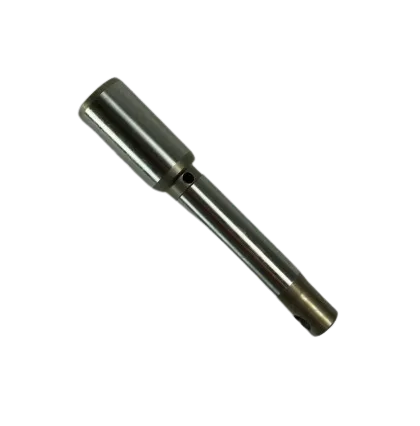
Titan 0532204A Piston Assembly
SprayTech part 0532204A is a piston assembly designed for use in compatible airless sprayer pump systems. This assembly includes the piston rod, seals, and related components that work together to generate the high pressure required for atomizing coating materials. The piston moves within the pump cylinder, drawing fluid in on the intake stroke and forcing it out under pressure on the discharge stroke. Constructed from durable materials selected to withstand the abrasive nature of paints, the high pressures of airless operation, and the chemical exposure from solvents and coatings, this piston assembly helps maintain consistent pressure and reliable pump performance. Replacing worn or damaged piston assemblies restores pump efficiency, pressure stability, and spray quality.
| Part Number | 0532204A |
|---|---|
| Part Description | Piston Assembly |
| Brand | SprayTech |
| Fits | Impact 400 Airless Sprayer; Impact 340 |
| Condition | New |
Piston Assembly for Impact Airless Sprayer Pumps
The SprayTech 0532204A piston assembly is a precision-engineered component designed specifically for the pump systems of Impact 400 Airless Sprayer and Impact 340 units. This assembly forms the heart of the reciprocating pump mechanism, converting rotational motion from the drive system into the linear reciprocating action that draws fluid from the supply and expels it at the high pressures required for airless atomization. The piston assembly typically consists of a hardened steel piston rod, one or more piston seals or packings, a seal retainer, and sometimes additional components such as ball checks or valve guides depending on the pump design. As the piston moves upward within the cylinder, it creates a vacuum that draws coating material through the inlet valve and into the pumping chamber. On the downward stroke, the piston forces the trapped fluid through the outlet valve and out to the spray hose and gun at pressures typically ranging from 1,500 to 3,000 psi or higher. The precise fit between the piston assembly and the pump cylinder is critical; any wear or damage to the piston rod surface or seals allows fluid to bypass the piston, resulting in pressure loss, reduced flow, and inconsistent spray performance.
The piston assembly is constructed from materials selected for exceptional durability under the demanding conditions of airless spray applications. The piston rod is typically manufactured from hardened stainless steel or chrome-plated steel to resist abrasion from the pigments and fillers in paints and coatings, as well as corrosion from water-based materials and cleaning solvents. The seals or packings are made from advanced polymer compounds such as polyurethane, PTFE, or UHMWPE that provide low friction, high wear resistance, and chemical compatibility with a wide range of coating materials. These seals are often designed with special geometries that create an effective sealing pressure against the cylinder wall while minimizing friction and heat generation. Over time, piston assemblies inevitably wear due to the constant reciprocating motion, abrasive nature of many coating materials, and exposure to aggressive solvents. Common failure indicators include a noticeable reduction in spray pressure at the gun despite normal pump operation, increased pump cycling frequency as the pump works harder to maintain pressure, fluid leaking from the pump packing area or into the crankcase, erratic pressure fluctuations that cause spitting or inconsistent pattern, and visible scoring or wear on the piston rod surface when inspected. In some cases, worn seals may allow fluid to bypass internally, causing the pump to run continuously without building adequate pressure.
Replacement with the 0532204A piston assembly restores proper pump efficiency, pressure stability, and spray performance. Before installation, thoroughly clean the pump cylinder and inspect it for scoring, pitting, or wear that could affect seal life or piston performance. If the cylinder shows significant wear, cylinder replacement may also be necessary. Lubricate the new piston seals with compatible pump oil or lubricant as specified by the manufacturer to ease installation and prevent initial damage. Carefully insert the piston assembly into the cylinder, taking care not to damage the seals on cylinder ports or edges. Follow the manufacturer's service procedure for proper orientation and torque specifications for any retaining hardware. After installation, prime the pump and test for proper pressure development and consistent operation. During the initial run-in period, monitor for any signs of leakage or abnormal noise. Regular pump maintenance, including periodic inspection of the piston assembly and timely replacement when wear is detected, helps maintain consistent spray quality, reduce material waste, and extend the overall service life of the pump and sprayer. Keeping a replacement piston assembly on hand minimizes downtime when performance issues arise.
What it does and when to replace it
| Fluid displacement | Moves within cylinder to draw fluid in and force it out under high pressure |
|---|---|
| Pressure generation | Creates the high pressures required for airless atomization of coating materials |
| Sealing function | Maintains separation between fluid chamber and drive mechanism with piston seals |
| Reduced pressure | Inability to reach or maintain normal operating pressure at spray gun |
|---|---|
| Excessive pump cycling | Pump cycles more frequently than normal to maintain pressure |
| Fluid leakage | Leaks from pump packing area or fluid appearing in crankcase |
| Erratic performance | Pressure fluctuations, spitting, or inconsistent spray pattern |
Compatibility
SprayTech part 0532204A is compatible with the following sprayer systems. Always verify fitment against the original equipment before installation.
| Sprayer System / Model | Component Application |
|---|---|
| Impact 400 Airless Sprayer | Piston Assembly |
| Impact 340 | Piston Assembly |
Related parts commonly serviced together
Pump performance issues often involve multiple components. When replacing the piston assembly, these related parts are frequently inspected or serviced.
Inspect the cylinder bore for scoring, pitting, or wear that could affect piston seal performance.
Inlet and outlet valves may require servicing if pump performance issues persist after piston replacement.
Replace pump oil and inspect crankcase seals if fluid contamination is present during piston replacement.
Frequently Asked Questions
No reviews yet. Be the first to review this product!