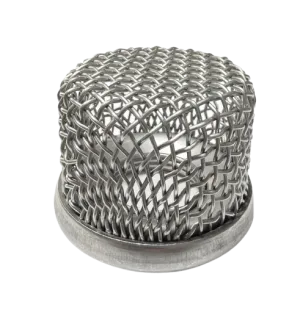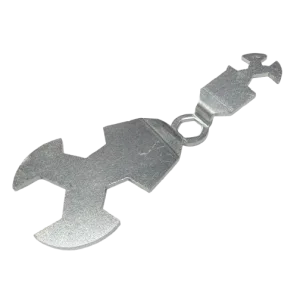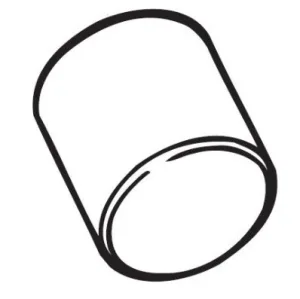

Titan 0509723 Cable Block
SprayTech part 0509723 is a cable block used to secure and guide control cables within the sprayer's handle or trigger assembly. When the cable block becomes cracked, worn, or dislodged, the trigger cable may bind, slip, or fail to engage properly, leading to inconsistent spray control. This cable block restores proper cable routing and reliable trigger operation on compatible units.
| Part Number | 0509723 |
|---|---|
| Part Description | Cable Block |
| Brand | SprayTech |
| Fits | SprayTech LCX 750 |
| Condition | New |
Cable Block for SprayTech LCX 750 Sprayer
The SprayTech 0509723 cable block is a small molded component located inside the spray gun handle of the LCX 750 airless paint sprayer. Its primary function is to anchor and guide the control cable that links the trigger to the valve mechanism. When the operator pulls the trigger, the cable slides through its housing and pulls the valve open, allowing pressurized material to reach the spray tip. Releasing the trigger allows the cable to return, closing the valve and stopping material flow. The cable block holds the cable housing securely in place while allowing the inner wire to move freely. It also maintains the correct alignment between the cable, the trigger lever, and the valve actuator. Without a properly functioning cable block, the cable housing can shift, reducing the effective cable travel and preventing the valve from opening fully. The block also prevents the cable from buckling or binding, which would create inconsistent trigger resistance and unpredictable spray control. On the LCX 750, the cable block is typically made from engineered plastic that balances strength, flexibility, and resistance to the solvents and chemicals commonly used in painting.
Several failure modes can affect the cable block and degrade sprayer performance. Repeated stress from thousands of trigger pulls can cause the block to develop cracks, particularly around mounting tabs or screw holes. Exposure to paint thinners, acetone, or other aggressive cleaning agents can cause the plastic to become brittle or swell, altering its dimensions and reducing its holding strength. Physical impacts, such as dropping the spray gun or striking it against a ladder or scaffold, can crack or break the block. Over time, the cable guide channel may wear or become enlarged, allowing the cable to wander and bind rather than moving smoothly. A damaged cable block produces distinct symptoms. The trigger may feel loose or spongy, with excessive free play before the valve begins to open. The sprayer may fail to spray when the trigger is pulled because the cable cannot travel far enough to open the valve fully. The sprayer may continue to spray briefly after the trigger is released because the cable cannot return to its fully closed position. The cable may become kinked or may disconnect entirely from the trigger or valve. In some cases, the trigger may feel stuck or require excessive force to pull.
Replacing a cracked, worn, or broken cable block with SprayTech 0509723 restores proper cable anchoring, correct trigger travel, and reliable on-off control. Before installing the new block, inspect the control cable for kinks, fraying, or corrosion, and replace the cable if any damage is found. Check the trigger lever for wear or bending, and verify that the valve actuator moves freely through its full range. After installing the new block, adjust cable tension according to the service manual specifications to ensure that the valve opens fully when the trigger is pulled and closes completely when released. Using the genuine SprayTech replacement part guarantees correct fitment and original factory performance.
What it does and when to replace it
| Cable anchoring | Secures control cable housing at proper position within trigger assembly |
|---|---|
| Cable guidance | Keeps inner wire aligned to prevent binding or kinking |
| Stroke control | Maintains correct cable travel for full valve opening and closing |
| Cracked block | Visible cracks or broken sections on the cable block |
|---|---|
| Loose trigger feel | Trigger has excessive play or inconsistent resistance |
| Failure to shut off | Sprayer continues to spray briefly after trigger release |
| Cable disconnection | Cable has slipped out of its mounting or guide channel |
Compatibility
SprayTech part 0509723 is compatible with the following SprayTech airless paint sprayer. Always confirm fitment using the correct parts diagram for your exact model and revision.
| Model | Component |
|---|---|
| SprayTech LCX 750 | Cable block |
Related parts commonly serviced together
When replacing the cable block, these related components are commonly inspected and often replaced at the same time.
Inspect for kinks, fraying, corrosion, or stretching; replace if damaged.
Check trigger lever for wear or bending that may affect cable movement.
Inspect the valve mechanism for smooth operation and full travel.
Frequently Asked Questions
No reviews yet. Be the first to review this product!