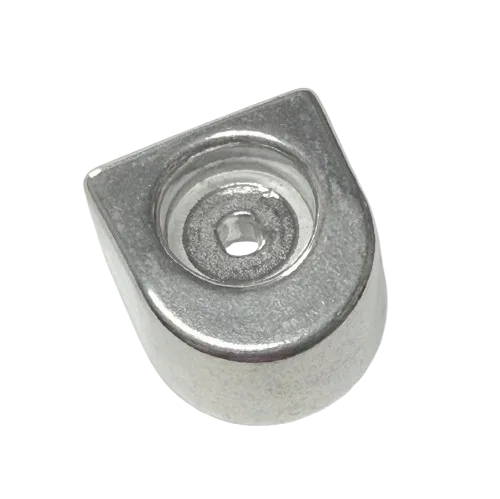
Titan 0296222 Rear Housing
SprayTech part 0296222 is a rear housing component designed for use in compatible spray gun systems. This housing encloses and protects internal mechanisms at the rear portion of the spray gun, including trigger linkage, valve components, and fluid passage connections. Constructed from durable materials selected to withstand the mechanical stresses, fluid exposure, and cleaning solvents encountered in professional spraying applications, this rear housing helps maintain proper alignment of internal components and protects against contamination. Replacing cracked, damaged, or worn rear housings restores structural integrity and ensures reliable gun operation.
| Part Number | 0296222 |
|---|---|
| Part Description | Rear Housing |
| Brand | SprayTech |
| Fits | Airless1 G10; Airless LX-65 Spray Gun; Airless G10; Airless G10 TR2 |
| Condition | New |
Rear Housing Assembly for Airless Spray Guns
The SprayTech 0296222 rear housing is a precision-molded component that forms the rear section of compatible Airless1 G10, Airless LX-65 Spray Gun, Airless G10, and Airless G10 TR2 spray guns. This housing serves as the structural backbone for the rear portion of the gun, enclosing critical internal mechanisms including the trigger pivot assembly, valve stem guide, fluid inlet connection interface, and in some configurations, the needle adjustment mechanism. The rear housing provides the mounting points for the trigger, maintains proper alignment of the valve stem relative to the fluid seat, and creates the sealed chamber through which high-pressure fluid passes from the hose connection to the valve assembly. In airless spray guns, the integrity of the rear housing is essential for maintaining consistent trigger feel, proper valve sealing, and safe operation under the high pressures typical of airless spraying applications, which can range from 1,500 to 3,000 psi or higher depending on the material and tip size.
The housing is manufactured from materials selected for their ability to withstand the demanding conditions of professional spray applications. Typically constructed from engineered polymers or aluminum alloys, the rear housing must resist chemical attack from solvents, paints, and cleaning agents, maintain dimensional stability across temperature variations, and absorb the mechanical stresses of repeated trigger cycling without cracking or deforming. Over time, rear housings may become compromised due to physical impacts such as dropping the gun, overtightening of the fluid hose connection, exposure to aggressive solvents that degrade the material, or simple fatigue from thousands of trigger actuations. Common failure indicators include visible cracks in the housing body, stripped threads where the fluid hose connects, looseness or play in the trigger mounting that affects operation, fluid leaks originating from the rear housing area, or difficulty achieving proper valve seating due to housing deformation. A compromised rear housing can lead to erratic trigger operation, inability to maintain pressure, fluid leaks that create safety hazards, or complete failure of the gun to function.
Replacement with the 0296222 rear housing restores structural integrity and proper gun function. Before installation, inspect all internal components that interface with the housing, including the trigger, valve stem, spring assemblies, and seals. Clean any residual material from the gun body and ensure mating surfaces are free from damage. When assembling, follow the manufacturer's sequence and torque specifications for mounting screws to avoid distorting the housing or creating stress points. Verify that the trigger moves freely without binding and that the valve stem engages properly with the seat. Reconnect the fluid hose using appropriate thread sealant and torque to prevent leaks while avoiding overtightening that could stress the housing. After reassembly, test the gun function with fluid under pressure to verify proper valve operation, leak-free connections, and smooth trigger feel. Regular inspection of the rear housing during routine gun maintenance helps identify developing cracks or wear before they lead to operational failure or unsafe conditions. A properly maintained rear housing contributes to consistent spray performance, operator comfort, and extended service life for the spray gun assembly.
What it does and when to replace it
| Component enclosure | Encloses and protects trigger linkage, valve mechanism, and fluid passage connections |
|---|---|
| Structural support | Provides mounting points for trigger and maintains alignment of internal valve components |
| Fluid containment | Forms part of the sealed fluid path from hose connection to valve assembly |
| Visible cracks or damage | Cracks in housing body, broken mounting points, or physical impact damage |
|---|---|
| Fluid leaks | Leakage from rear housing area indicating seal or housing failure |
| Trigger issues | Loose trigger feel, binding, or difficulty achieving consistent valve operation |
| Thread damage | Stripped or damaged threads where fluid hose connects to the housing |
Compatibility
SprayTech part 0296222 is compatible with the following spray gun systems. Always verify fitment against the original equipment before installation.
| Airless1 G10 | Rear Housing |
| Airless LX-65 Spray Gun | Rear Housing |
| Airless G10 | Rear Housing |
| Airless G10 TR2 | Rear Housing |
Related parts commonly serviced together
Spray gun performance issues often involve multiple components. When replacing the rear housing, these related parts are frequently inspected or serviced to ensure complete gun reliability.
The trigger pivot points and linkage should be inspected for wear or damage during housing replacement.
Worn valve components can affect sealing and trigger feel; inspect and replace if necessary.
The connection point where fluid hose attaches may have worn seals or damaged threads requiring attention.
Frequently Asked Questions
No reviews yet. Be the first to review this product!