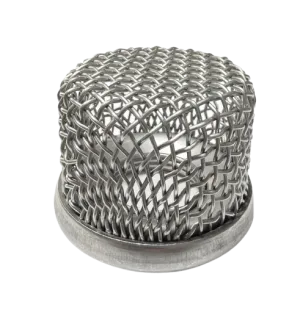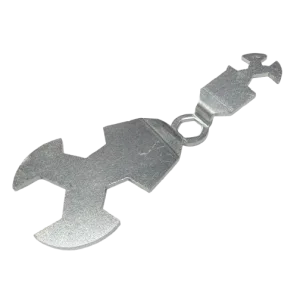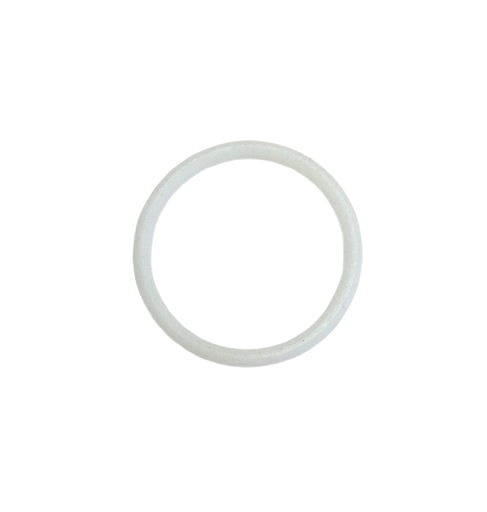
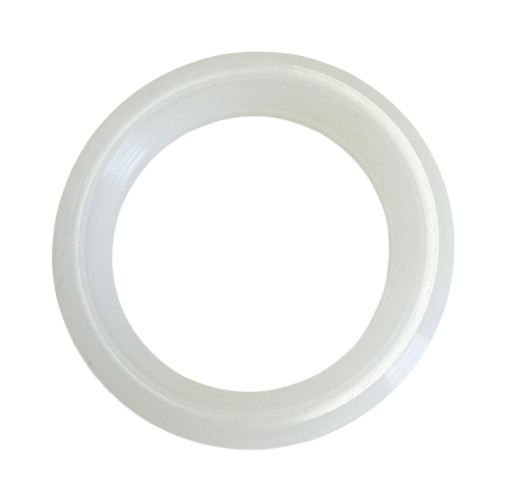
Titan 0294521 V-ring
OEM Titan Sealing Component
Titan 0294521 V-ring is an OEM V-ring seal used in the fluid section of compatible airless spray systems, creating a dynamic seal around the piston rod to prevent paint leakage and maintain consistent pressure during operation.
Compatibility Table
OEM V-ring seal restores proper sealing performance, prevents fluid bypass and pressure loss, and maintains consistent spray quality on Commander and compatible spray systems.
Titan Sealing Component Replacement
Titan 0294521 V-ring for Commander & Compatible Titan Spray Systems
Titan 0294521 is an OEM V-ring seal used in the fluid section of compatible Titan airless spray systems, including the Commander. This high-wear component creates a dynamic seal around the piston rod, preventing paint leakage and maintaining consistent pressure during operation [citation:1].
| Detail | Technical / Commercial Information |
|---|---|
| Product Overview | OEM Titan V-ring seal designed for use in the fluid section of compatible airless spray systems, including the Commander. This high-wear component creates a dynamic seal around the piston rod to prevent paint leakage and maintain consistent pressure [citation:1]. |
| Function | Creates a dynamic seal between the reciprocating piston rod and the cylinder, preventing pressurized paint from leaking past and ensuring consistent output pressure. The V-shaped design enables the seal to provide excellent sealing performance by exerting radial pressure against the mating surfaces. Over time, normal use, abrasive materials, and chemical exposure can cause the V-ring to wear, harden, or develop nicks [citation:1]. |
| Industrial Applications | Professional painting, line striping, architectural coatings, and other applications requiring reliable fluid sealing [citation:1]. |
| Compatible Titan Machines | Commander Air-Powered Airless Sprayer ; Compatible Titan Fluid Systems [citation:1]. |
| Accurate Part Number | 0294521 V-ring [citation:1]. |
| Related Parts Commonly Serviced Together | Piston packing, o-rings, cylinder seals, and other fluid section components [citation:1]. |
| Common Problems Solved | Fluid bypass, pressure loss, erratic spray patterns, external leakage around the pump, reduced output performance [citation:1]. |
| Use with Coating Systems | Supports paints, primers, varnishes, polyurethanes, stains, lacquers, and other coatings [citation:1]. |
| OEM & Brand Information | Genuine Titan OEM component designed for correct fitment in compatible Commander and Titan fluid systems [citation:1]. |
| Commercial Benefits | Restores proper sealing performance, prevents fluid bypass and pressure loss, reduces downtime from seal failure, and maintains consistent spray quality [citation:1]. |
The 0294521 V-ring is a genuine OEM replacement seal for compatible Titan airless spray systems. This V-ring seal creates a dynamic seal around the piston rod, preventing paint leakage and maintaining consistent pressure during operation. Over time, normal use, abrasive materials, and chemical exposure can cause the V-ring to wear, harden, or develop nicks [citation:1]. A failing seal results in fluid bypass, pressure loss, erratic spray patterns, and external leakage around the pump. Replacing a worn V-ring restores proper sealing performance and helps avoid fluid bypass or erratic spray patterns [citation:1]. When replacing this seal, inspect all mating components for damage and ensure proper installation. For optimal performance and safety, always use genuine OEM replacement parts from Titan.
FAQ Section
Quick contractor-focused answers for confirming fitment, function, and service value.
No reviews yet. Be the first to review this product!