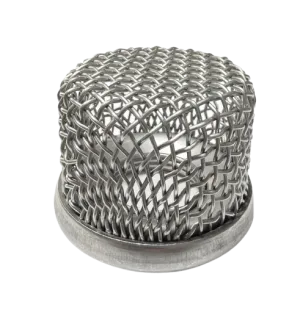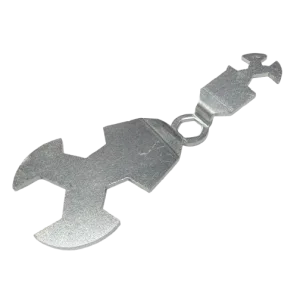
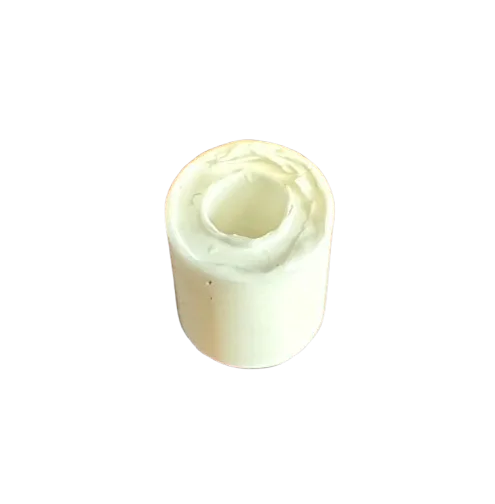
Titan 0275579 Needle Packing
SprayTech part 0275579 is a needle packing assembly used in HVLP spray guns to seal the fluid needle and prevent material leakage. This packing provides a fluid-tight seal around the needle while allowing smooth needle movement for precise fluid control. When the original packing becomes worn or hardens, replacing it with this assembly restores proper sealing and consistent fluid regulation.
| Part Number | 0275579 |
|---|---|
| Part Description | Needle Packing |
| Brand | SprayTech |
| Fits | Spraytech HVLP Maxum II |
| Condition | New |
Needle Packing for Spraytech HVLP Maxum II
The SprayTech 0275579 Needle Packing is a critical sealing component designed for the Spraytech HVLP Maxum II spray system. This packing assembly fits around the fluid needle where it passes through the gun body, creating a fluid-tight seal that prevents material from leaking rearward into the trigger mechanism or air passages. The packing must provide effective sealing while still allowing the fluid needle to move smoothly forward and backward during trigger operation, enabling precise control over fluid flow and consistent spray patterns.
Needle packing components are typically manufactured from materials selected for compatibility with a wide range of coatings, including solvent-based and water-based paints, stains, and finishes. Over time, exposure to these materials combined with the mechanical action of needle movement causes packing wear, hardening, or swelling. When the packing becomes compromised, fluid can begin to seep past the needle, appearing as a wet buildup around the trigger area or inside the gun body. This leakage not only wastes material and creates cleanup issues but can also affect trigger feel and fluid control precision. In advanced cases, hardened or swollen packing can create excessive drag on the needle, causing the trigger to feel stiff or preventing the needle from fully seating, which results in material drip from the nozzle even when the trigger is released.
Replacing a worn needle packing with the 0275579 assembly restores the original sealing characteristics and fluid control performance engineered for the HVLP Maxum II system. The packing is manufactured to match the original specifications for material composition, durometer, and dimensional tolerances, ensuring proper fit around the needle and within the packing cavity. Installation involves removing the fluid needle from the gun, extracting the old packing using appropriate tools to avoid damaging the packing bore, and installing the new packing assembly in the correct orientation. During replacement, inspecting the fluid needle surface for wear, scoring, or corrosion is recommended, as a damaged needle can accelerate packing wear and prevent effective sealing even with a new packing installed.
What it does and when to replace it
| Fluid sealing | Prevents material leakage past the needle into the trigger mechanism |
|---|---|
| Needle guidance | Provides smooth, consistent needle movement for precise fluid control |
| Drip prevention | Helps maintain proper needle seating to prevent nozzle leakage when gun is closed |
| Trigger area leakage | Fluid visible around the trigger or rear of the gun body during operation |
|---|---|
| Nozzle dripping | Material continues to drip from the fluid nozzle after trigger release |
| Stiff trigger feel | Increased resistance in trigger operation due to packing drag on needle |
| Visible packing damage | Cracked, hardened, swollen, or deteriorated packing condition |
Compatibility
SprayTech part 0275579 is compatible with the following spray system. Always confirm fitment using the correct parts diagram for your exact model and revision.
| Spray System Model | Component |
|---|---|
| Spraytech HVLP Maxum II | Needle packing |
Related parts commonly serviced together
Fluid sealing and control issues often involve multiple components. When replacing the needle packing, these parts are commonly inspected or replaced at the same time.
The needle surface must be smooth and free of wear; a damaged needle will cause rapid packing failure.
Worn nozzle seating surfaces can contribute to dripping and affect overall fluid control.
The needle return spring should be inspected for proper tension to ensure complete needle closure.
Frequently Asked Questions
No reviews yet. Be the first to review this product!