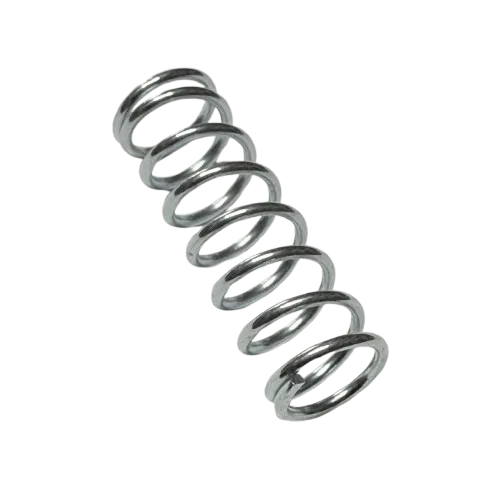
Titan 0275578 Air Valve Spring
SprayTech part 0275578 is an air valve spring used in HVLP spray systems to control air flow and maintain proper atomization pressure. This spring provides the necessary tension for the air valve mechanism, ensuring consistent air delivery during operation. When the original spring loses tension or becomes fatigued, replacing it with this component restores proper air valve function and spray pattern quality.
| Part Number | 0275578 |
|---|---|
| Part Description | Air Valve Spring |
| Brand | SprayTech |
| Fits | Spraytech HVLP Maxum II |
| Condition | New |
Air Valve Spring for Spraytech HVLP Maxum II
The SprayTech 0275578 Air Valve Spring is a precision component designed for the Spraytech HVLP Maxum II spray system. This spring serves as the return mechanism within the air valve assembly, providing the calibrated tension that controls air flow through the system. In HVLP (High Volume Low Pressure) applications, maintaining consistent air pressure is essential for achieving proper atomization and transfer efficiency, and the air valve spring plays a direct role in how the air valve responds to trigger operation and pressure fluctuations.
The air valve spring works in conjunction with the air valve stem and seat to regulate the flow of atomizing air to the spray cap. When the trigger is pulled, the spring compresses or extends depending on the valve design, allowing air to pass through to the air cap. When the trigger is released, the spring returns the valve to its closed position, stopping air flow. This repeated cycling subjects the spring to continuous stress, and over time, spring fatigue can occur, resulting in reduced tension, permanent deformation, or breakage. When the air valve spring loses its proper characteristics, the air valve may fail to open fully, close completely, or respond consistently to trigger input.
Symptoms of a compromised air valve spring include inconsistent atomization, tailing spray patterns, delayed air flow when triggering, or air continuing to flow after the trigger is released. In some cases, the spring may become weak enough that the air valve does not seal properly, leading to a constant hiss of air from the gun even when not in use. Replacing a worn or damaged air valve spring with the 0275578 assembly restores the original spring tension and valve response characteristics engineered for the HVLP Maxum II system. The spring is manufactured to match the precise spring rate, wire diameter, and free length specifications of the original component, ensuring that air valve operation returns to factory calibration. Installation involves accessing the air valve section of the spray gun, typically requiring removal of the air cap, fluid nozzle, and disassembly of the air valve components. During replacement, inspecting the air valve stem and seat for wear or debris is recommended to ensure complete restoration of air control performance.
What it does and when to replace it
| Air flow control | Provides proper tension for air valve opening and closing with trigger operation |
|---|---|
| Atomization consistency | Ensures stable air delivery for uniform material breakup and pattern formation |
| Valve sealing | Maintains closure force to prevent air leakage when gun is not in use |
| Air leakage | Continuous air hiss from the gun when trigger is not engaged |
|---|---|
| Delayed response | Noticeable lag between trigger pull and air flow or atomization |
| Inconsistent pattern | Tailing, heavy edges, or poor atomization despite correct settings |
| Visible damage | Broken, corroded, or permanently compressed spring condition |
Compatibility
SprayTech part 0275578 is compatible with the following spray system. Always confirm fitment using the correct parts diagram for your exact model and revision.
| Spray System Model | Component |
|---|---|
| Spraytech HVLP Maxum II | Air valve spring |
Related parts commonly serviced together
Air valve performance issues often involve multiple components. When replacing the air valve spring, these parts are commonly inspected or replaced at the same time.
The stem works directly with the spring; wear or debris can affect sealing and movement.
The seat surface must be clean and undamaged for proper valve closure and sealing.
Worn seals can cause air leakage that mimics valve spring failure.
Frequently Asked Questions
No reviews yet. Be the first to review this product!