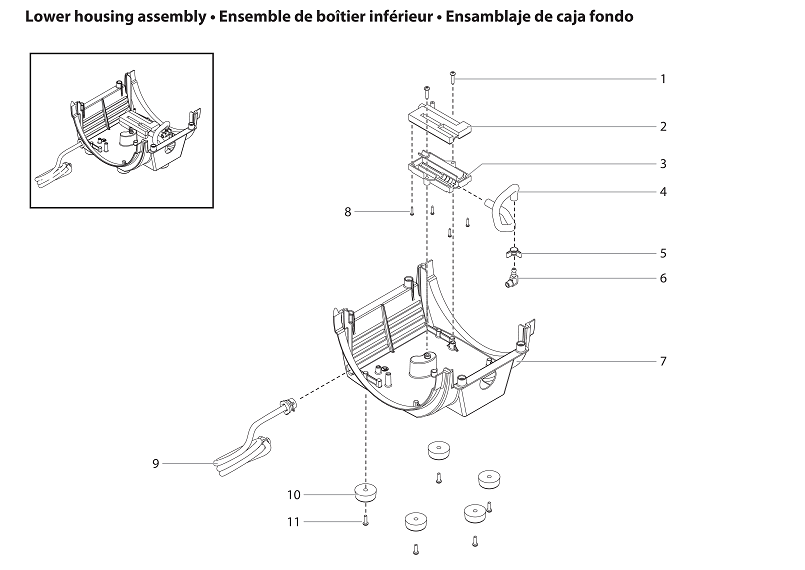




CapSpray 115 Lower Housing Assembly
The CapSpray 115 Lower Housing Assembly is an essential structural component that supports and protects the lower section of the HVLP turbine system. It helps maintain proper airflow circulation, secures internal electrical and exhaust components, and minimizes vibration during operation. Built for demanding finishing applications, the housing assembly contributes to stable turbine cooling and consistent spray performance.
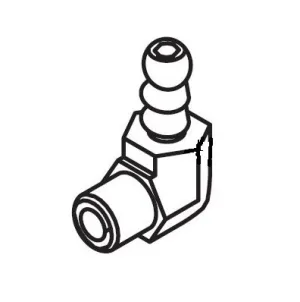
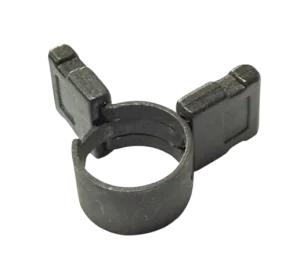
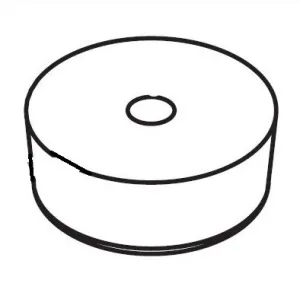
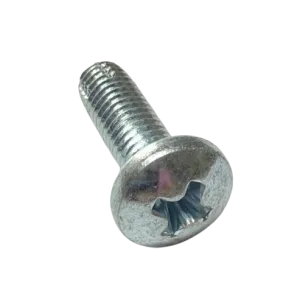
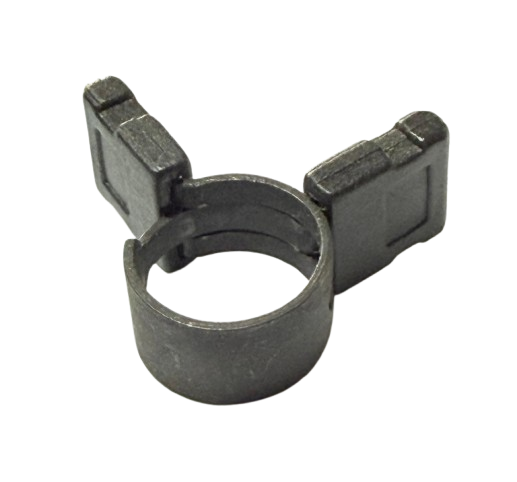
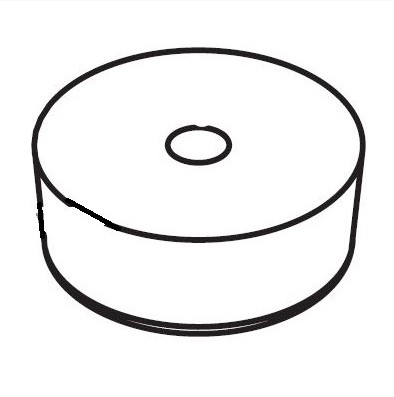
Components commonly associated with this assembly include the exhaust hose, drain hose clip, housing bottom, power switch, and power cord assembly, all of which work together to ensure safe and reliable sprayer operation. Proper maintenance of the lower housing area helps extend turbine life and maintain consistent atomization performance in professional finishing environments.
Key Functionality & Maintenance
The lower housing assembly plays a critical role in directing airflow, protecting internal turbine components, and reducing vibration during operation. Any damage, loose fittings, or blocked ventilation in this area can negatively impact cooling efficiency and overall spray performance. Regular inspection of housing seals, exhaust routing, and electrical connections ensures long-term reliability and safe operation.