HVLP and airless are both in the Titan lineup for a reason — they're optimized for genuinely different work. Using the wrong tool for a finishing job costs you either quality or speed, depending on which direction the mismatch runs.
This guide is for contractors who run both systems, or who are deciding whether to add HVLP capability alongside an airless setup. The choice is work-specific, and understanding the actual difference — not just the pressure numbers — is what makes it useful.
HVLP vs Airless — Direct Comparison
Where CapSpray HVLP Belongs
The Titan CapSpray series — the 75, 95, 105, and 115 turbine systems, with the Maxum II or Maxum Elite gun depending on the model — is built for fine-finish applications where surface quality is the primary metric. Cabinetry, furniture, trim, doors, interior millwork, and any application where a smooth, even film build without texture marks is the goal.
HVLP works by generating high air volume at low pressure, which reduces bounce-back and overspray compared with high-pressure spraying. The tradeoff is production rate — HVLP covers area slower than airless, which is the right tradeoff when a cabinet face requires a flawless finish rather than fast coverage.
For Titan Capspray parts including the Maxum Elite gun assembly, air filters, needle packing, and turbine service components, AllTitanParts.com lists CapSpray parts by model and assembly diagram.
Where Airless Belongs
Airless wins on production rate, viscosity range, and simplicity for large-surface applications. Exterior walls, stucco, masonry, elastomeric coatings, deck coatings — any application where you're covering significant area quickly and the coating is too thick for HVLP to handle without excessive thinning.
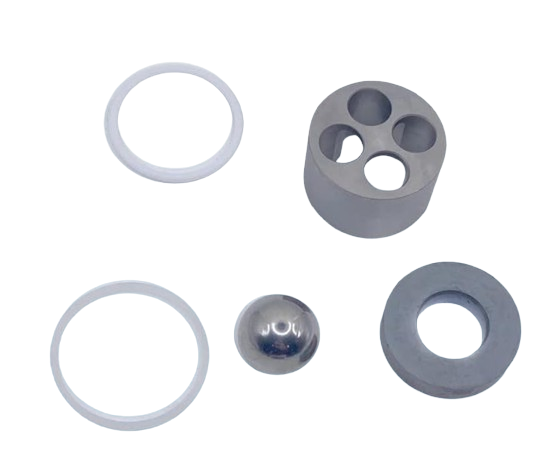
The full range of airless sprayer parts for Titan's electric and gas-powered lineup is at AllTitanParts.com — fluid section kits, valves, piston rods, and manifold filters for piston-pump models; confirm the part for your model on its diagram.
Parts Maintenance — What's Different
The maintenance picture differs between the two systems. Airless has a fluid section with packing, valves, and a piston rod as the primary wear components. HVLP has a spray gun with needle, nozzle, and air cap as the primary service items.
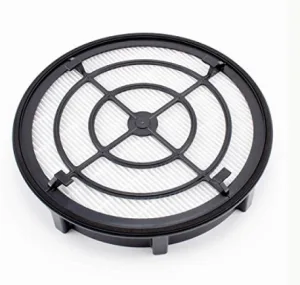
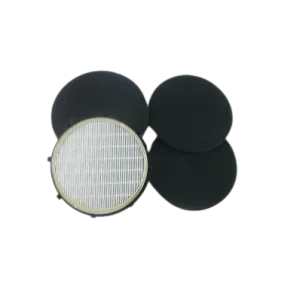
The CapSpray turbine itself needs its air filters cleaned or changed — the red filter warning light on the front panel comes on when air flow drops. Unplug the turbine first and follow your manual. Clogged filters restrict air and degrade atomization. Replacement air filters and turbine service parts are listed at AllTitanParts.com by CapSpray model.
One component that applies to both systems: the airless spray tips and HVLP projector sets both need periodic replacement as orifice wear degrades spray quality and atomization. Check pattern quality regularly rather than waiting for obvious deterioration.
Shop These Parts
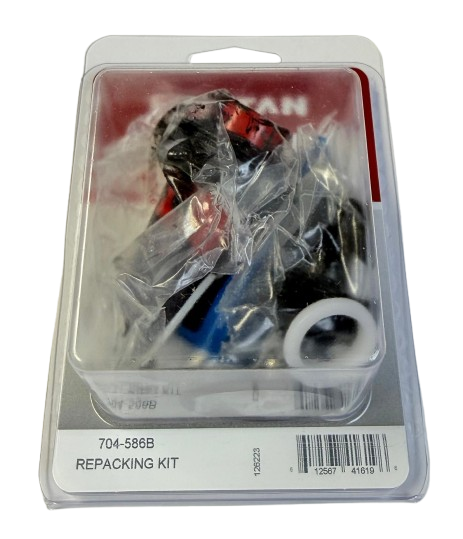
The OEM parts referenced in this guide:

Not Sure Which Part You Need?
Give us your model and symptom and we'll confirm the exact OEM part before you order.
(713) 931-0006 Order by Parts Diagram