

Please wait while we process your order...

Product successfully added to your cart.
Placeholder Image

Quantity in Cart: 1


Continue Shopping Shopping Cart
Item removed from Cart
X
 
×
📢 From June 8th to 25th, phone support will be limited. For assistance, please email us and we will respond as promptly as possible. Orders will continue to be processed normally.

PowrTwin 4900GH Bleed Hose Assembly With Valve

PowrTwin 4900GH Bleed Hose Assembly With Valve

Order Bleed Hose Assembly With Valve Parts

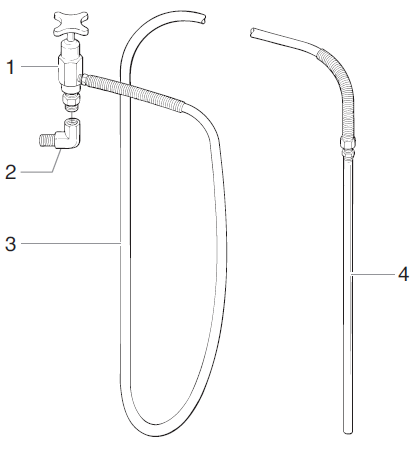
The Bleed Hose Assembly With Valve Parts are designed to assist with system priming, pressure relief, and controlled fluid recirculation during spraying operations. This assembly provides a safe route for releasing trapped air and excess pressure while returning coating material to the supply container. Proper function of these components helps improve startup performance, maintain pressure stability, and protect the sprayer from unnecessary stress.

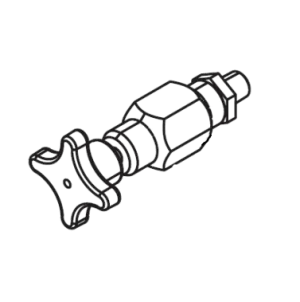
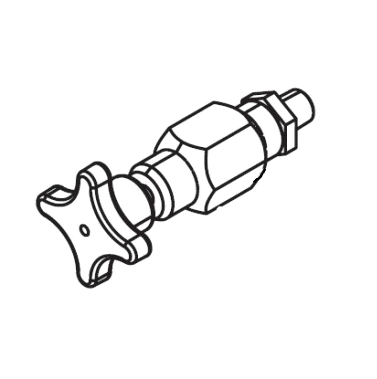
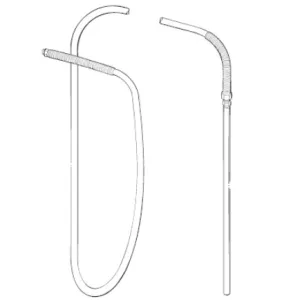
Key components commonly found in this assembly include the Bleed Valve Assembly, Bleed Hose, Elbow Fitting, Bleed Tube, Deflector/Diffuser, bushings, and related connection hardware. Together, these parts create a secure return-flow pathway that supports efficient priming and reliable pressure management throughout the spraying process.

Routine inspection and maintenance can help prevent leaks, flow restrictions, and pressure-control issues. Replacing worn hoses, damaged fittings, or faulty valve components ensures dependable operation and minimizes costly downtime.

FAQs

This is often caused by a restriction inside the hose, dried coating material in the valve passage, or buildup around the diffuser.

Leaks commonly occur due to worn sealing surfaces, damaged threads, or improperly tightened fittings.

This typically indicates internal wear in the valve assembly or debris preventing the valve from closing completely.

Clogging is usually the result of inadequate flushing after use, dried coating residue, or contaminants entering the fluid path.

Vibration often occurs when air is trapped in the system, fittings are loose, or a partial blockage is creating turbulent fluid flow.